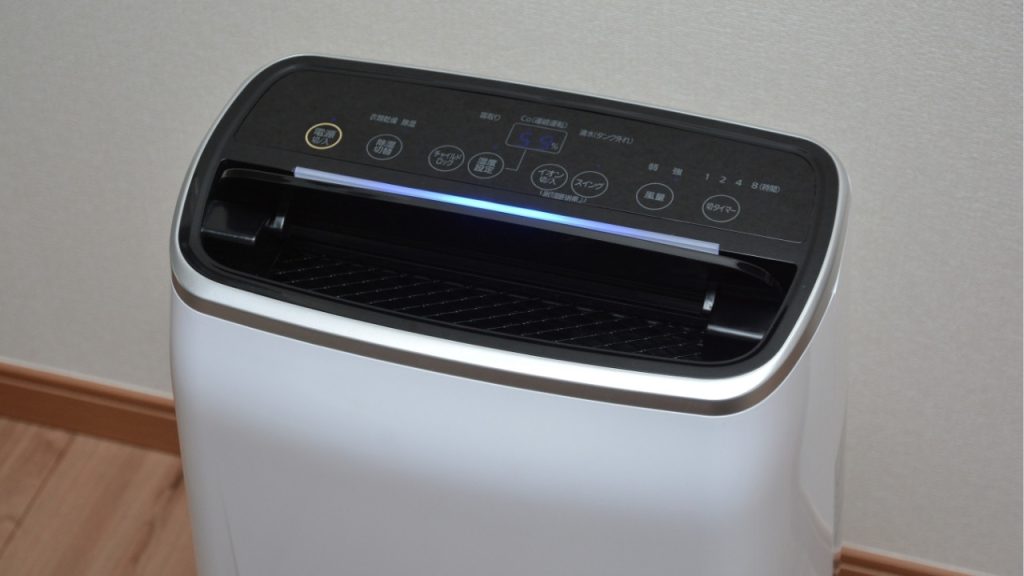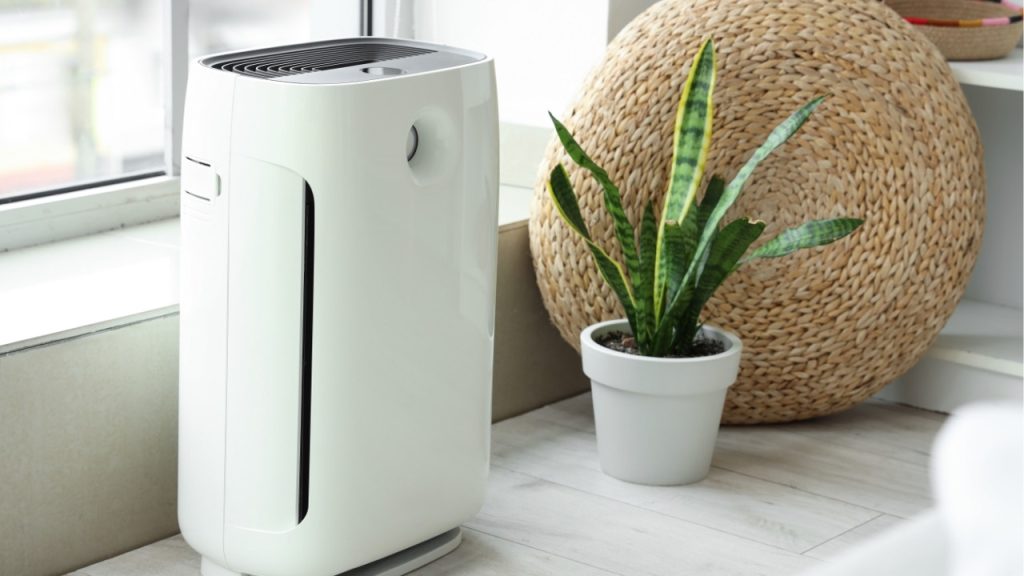
Have you ever turned on an air purifier and wondered how long for air purifier to work before you notice cleaner air? In many homes, you may start to feel a difference within 30 minutes to a few hours, but the exact timeline depends on the room size, air quality, purifier type, and how well the unit is used. If you are trying to reduce dust, pet dander, smoke, or allergens, knowing what affects performance can help you set realistic expectations.
How Long for Air Purifier to Work
In general, an air purifier can begin cleaning the air as soon as it is switched on. However, seeing noticeable results usually takes time. For a small room with moderate pollution, you may notice fresher air in 30 to 60 minutes. For a larger space or a room with heavy odors, smoke, or airborne particles, it may take several hours to make a meaningful impact.
The key thing to understand is that air purifiers do not make a room instantly clean. They work by continuously cycling air through filters, removing pollutants little by little until the air quality improves.
What Affects How Fast an Air Purifier Works
Room Size
Room size is one of the biggest factors. An air purifier rated for a small bedroom will work much faster in that space than in a large living room. If the unit is undersized for the room, it may run for hours without fully cleaning the air.
Clean Air Delivery Rate
The Clean Air Delivery Rate, or CADR, tells you how much filtered air the purifier can deliver. A higher CADR usually means faster cleaning. If you are shopping for an air purifier for allergens, smoke, or dust, checking CADR is one of the best ways to estimate performance.
Air Quality and Pollution Level
If the air contains heavy smoke, cooking odors, pet hair, or a high amount of dust, the purifier will need more time to make a noticeable difference. In a cleaner room, results appear faster. In a room with ongoing pollution, such as from a fireplace or frequent cooking, the purifier has to work harder to keep up.
Filter Type
Different filters handle different pollutants. A HEPA air purifier is effective for fine particles like pollen, dust, and pet dander. Activated carbon filters help with odors and some gases. A model with both can improve air quality more efficiently in homes with mixed concerns.
Fan Speed and Setting
Higher fan speeds move more air through the filter, which can shorten the time it takes to improve indoor air quality. On the other hand, lower settings are quieter but slower. Many people use a higher speed at first, then switch to a lower setting for maintenance.
Placement in the Room
Where you place the purifier matters. For best results, keep it in an open area with enough space around it. Avoid placing it behind furniture, in corners, or near curtains that block airflow. Good placement helps the unit circulate air more effectively.
How to Make an Air Purifier Work Faster
To speed up results, match the purifier to the room size, run it continuously, and keep doors and windows closed when possible. Replace filters on schedule so airflow stays strong. If the unit has an auto mode, it may adjust based on air quality, but using a higher manual setting when pollution is high can help too.
When to Expect Noticeable Results
You may notice less dust or fewer odors within a few hours, especially in a properly sized room. Allergy sufferers often report improvement after a day or two of consistent use. For long-term indoor air quality improvement, the purifier should run regularly, not just occasionally.
Final Thoughts
So, how long for air purifier to work? In many cases, the air starts moving through the filter right away, but visible or noticeable improvement usually takes 30 minutes to several hours. The fastest results come from the right purifier size, strong CADR, proper filter type, and smart placement. For the best outcome, use your air purifier consistently and let it run long enough to do its job.