Have you ever noticed that a washing machine that is not draining properly can turn laundry day into a mess fast? Learning how to set up washing machine drain hose correctly is one of the simplest ways to prevent leaks, odors, slow draining, and costly water damage. With the right setup, you can help your washer work efficiently and keep your laundry area clean and safe.
Why Proper Drain Hose Setup Matters
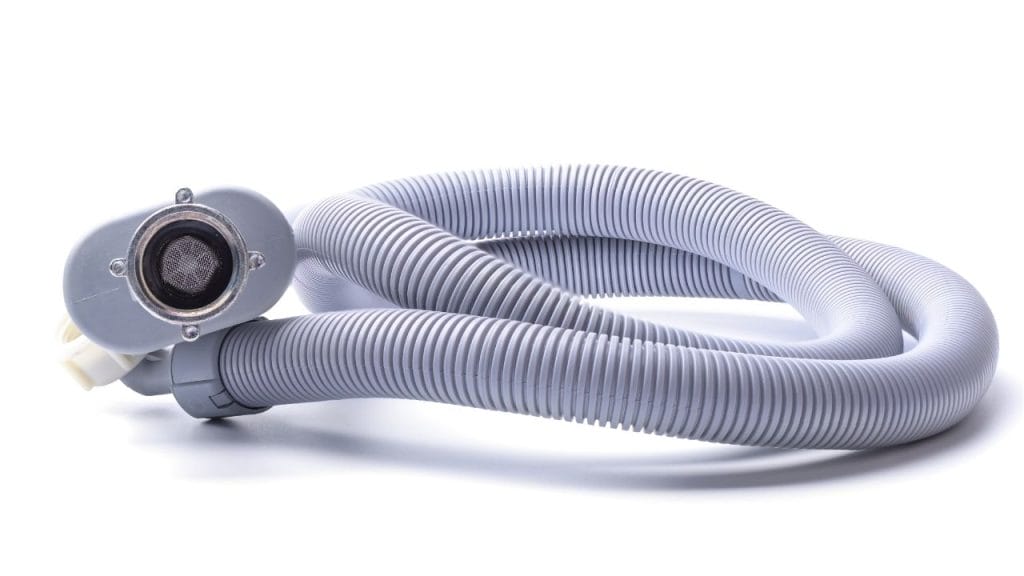
A washing machine drain hose carries wastewater from the appliance to your home’s drain system. If the hose is installed incorrectly, you may run into siphoning issues, standing water, backups, or even flooding. A secure and correctly positioned hose also helps your washer maintain proper drainage during each cycle.
When homeowners search for how to set up washing machine drain hose, they are often trying to solve common problems like leaking at the standpipe, hose slipping out, or the washer not emptying fully. The good news is that the installation process is straightforward when you follow the right steps.
What You Need Before You Start
Before you begin, gather a few basic items:
Tools and Materials
- Washing machine drain hose
- Hose clamp, if required by your model
- Screwdriver or pliers
- Bucket or towels
- Measuring tape
Check Your Washer Manual
Always review the appliance manual first. Different washer brands may have specific hose length, height, or connection requirements. Following the manufacturer’s instructions helps prevent drainage problems and protects your warranty.
How to Set Up Washing Machine Drain Hose
Step 1: Position the Washer Correctly
Place the washing machine on a level surface close to the drain opening. Make sure the hose can reach the drain without stretching, bending sharply, or kinking. A damaged or pinched hose can restrict water flow.
Step 2: Locate the Drain Connection
Most washers use a standpipe, laundry sink, or dedicated wall drain. Insert the drain hose into the appropriate opening according to your appliance and plumbing setup. The hose should fit securely, but it should not be forced too tightly.
Step 3: Secure the Hose in Place
Use a hose clamp or the supplied retention bracket to hold the drain hose steady. This prevents it from slipping out during a spin cycle. If the hose is placed inside a standpipe, make sure it is inserted only a few inches down so it can drain properly without sealing off the pipe.
Step 4: Maintain the Proper Height
One of the most important parts of how to set up washing machine drain hose is getting the height right. The drain hose should usually be positioned between 30 and 96 inches from the floor, depending on your washer model. This helps avoid siphoning, where water flows out of the drum too early.
Step 5: Avoid Kinks and Sharp Bends
Check the full length of the hose. It should have a smooth path from the back of the washer to the drain. Kinks, twists, and tight bends can reduce water flow and cause drainage issues.
Step 6: Test the Setup
Run a short wash or rinse cycle and watch the hose during draining. Look for leaks, vibration, or movement. If water backs up or the hose shifts, stop the cycle and adjust the installation before using the washer again.
Common Mistakes to Avoid
Many drainage issues come from simple setup errors. Avoid these common mistakes:
Pushing the Hose Too Far Into the Drain
This can create an airtight seal and interfere with proper flow.
Using an Unsecured Hose
A loose hose can pop out and cause flooding.
Ignoring Hose Condition
Cracks, wear, and buildup inside the hose can reduce performance and should be addressed quickly.
Installing the Hose Too Low
A hose placed too low may cause siphoning and improper washer drainage.
Final Tips for a Safe Installation
If you want the best results when learning how to set up washing machine drain hose, keep the hose accessible for future cleaning and inspection. Replace worn hoses every few years, and check the connection regularly for signs of leaks or mold. A properly installed drain hose helps your washing machine run smoothly and protects your home from avoidable water damage.