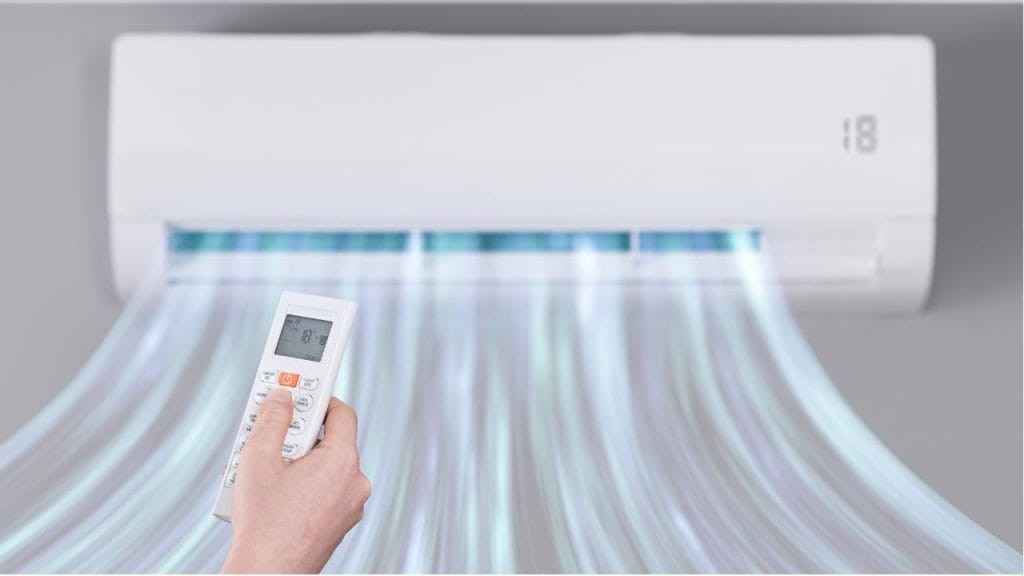
Is your air conditioner making more noise than it should? A loud AC can interrupt sleep, distract from work, and even signal a maintenance issue that should not be ignored. If you are searching for how to silence air conditioner noise, the good news is that many common causes are easy to fix without replacing the unit.
Why Your Air Conditioner Is So Loud
Before you try to quiet AC noise, it helps to understand where it is coming from. Air conditioners can get noisy because of loose parts, dirty filters, worn fan blades, vibration, refrigerant issues, or simple airflow problems. Indoor units often make humming, rattling, or whistling sounds, while outdoor units may produce buzzing or clanking.
Step 1: Turn Off the Unit and Inspect It
Always shut off power to the air conditioner before checking it. Look over the indoor and outdoor units for visible issues such as loose panels, debris, or anything touching the fan. If you notice rattling, a loose screw or cover may be the reason your AC is noisy.
Check for Loose Screws and Panels
Tighten screws on the front cover, access panels, and mounting brackets. Even a small gap can cause vibration noise that gets louder when the system runs.
Step 2: Clean or Replace the Air Filter
A dirty air filter is one of the most common reasons an AC becomes loud. When airflow is blocked, the system works harder and may make whistling or humming sounds. Replace the filter if it looks dirty, or clean it if your model uses a washable filter.
How Often Should You Change It?
For many homes, replacing the filter every 1 to 3 months helps reduce noise and improve performance. Homes with pets or heavy dust may need more frequent changes.
Step 3: Remove Debris Around the Outdoor Unit
Leaves, twigs, dirt, and grass clippings can cause the outdoor condenser to make unusual sounds. Clear at least 2 feet of space around the unit so air can flow freely. If a branch or object is touching the fan guard, remove it carefully.
Step 4: Reduce Vibration Noise
If the air conditioner is vibrating against the wall, floor, or window frame, the noise can travel through your home. Place rubber pads, foam insulation, or vibration-dampening mounts under the unit if appropriate for your model.
For Window AC Units
Make sure the unit is installed level and secure. A poorly mounted window air conditioner often rattles because it shifts when the compressor starts and stops.
Step 5: Check the Fan and Blower
A bent fan blade, dirty blower wheel, or worn motor can make your AC loud. If you can safely access the fan area, inspect it for dirt buildup or damage. Clean away dust and call a technician if the blades look bent or the motor sounds like it is struggling.
Step 6: Seal Air Leaks and Improve Airflow
Sometimes the problem is not the AC itself but the ductwork or vents. Air leaks can create whistling noises, while blocked vents make the system strain. Open all supply vents and check for damaged duct tape, loose connections, or gaps that need sealing.
Step 7: Schedule Professional Maintenance
If you have tried these steps and the unit is still noisy, the issue may involve refrigerant levels, compressor problems, or worn internal components. A licensed HVAC technician can diagnose the source and help silence air conditioner noise safely.
When to Call a Professional
Contact an HVAC expert if you hear grinding, squealing, banging, or loud buzzing. These sounds may indicate a serious mechanical issue. Acting early can prevent bigger repairs and help your air conditioner run more quietly and efficiently.
By following these steps, you can often reduce AC noise, improve comfort, and extend the life of your system. If you want to know how to silence air conditioner problems for good, regular cleaning and maintenance are the best place to start.