Have you ever noticed water droplets forming around your AC vents on a hot, humid day? Condensation from air conditioner vents is a common issue, but it can lead to water stains, mold growth, and reduced indoor comfort if ignored. If you want to know how to stop condensation from air conditioner vents, the good news is that the problem is usually caused by a few fixable issues related to humidity, airflow, and insulation.
What Causes Condensation on Air Conditioner Vents?
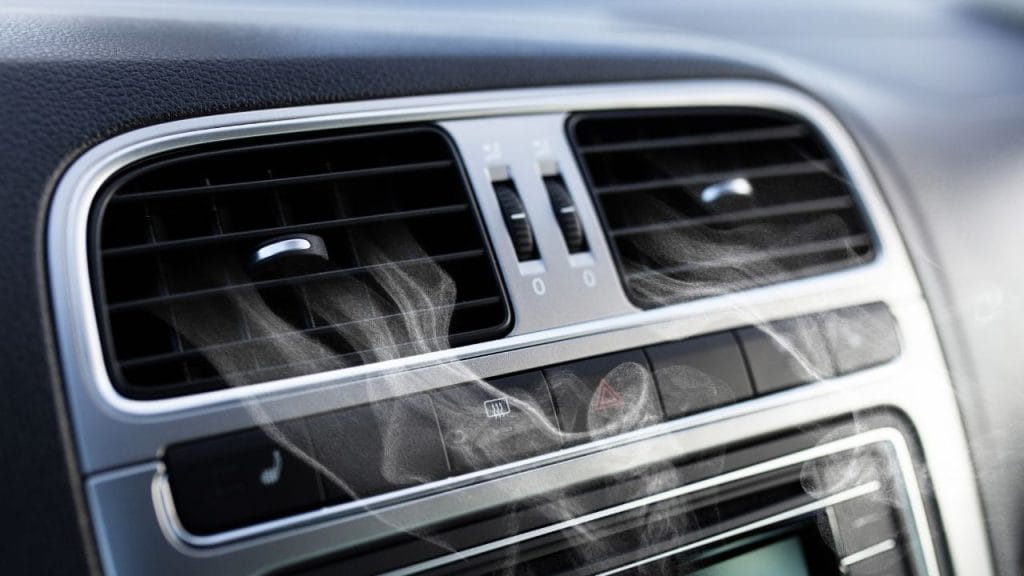
Condensation happens when warm, humid air comes into contact with a cold surface. In your home, AC vents and registers can become cold enough to attract moisture from the surrounding air. When that happens, water droplets form on the vent cover or nearby ceiling and walls.
High Indoor Humidity
One of the biggest reasons for vent condensation is excess humidity inside the home. If indoor moisture levels are too high, the humid air will condense on cool metal or plastic vents. This is especially common in summer and in homes with poor ventilation.
Poor Insulation Around Ductwork
Uninsulated or poorly insulated ducts can cause cold air to cool the vent surface too much. If the ductwork runs through hot spaces like an attic or crawl space, temperature differences can make condensation worse.
Restricted Airflow
Dirty air filters, blocked vents, or poorly balanced HVAC systems can reduce airflow. When airflow is weak, cold air may linger longer around the vent, increasing the chance of moisture buildup.
Oversized AC System
If your air conditioner is too large for your home, it may cool the space too quickly without properly removing humidity. This can leave the air damp and create more condensation around vents.
How to Stop Condensation From Air Conditioner Vents
The best way to stop condensation from air conditioner vents is to address both the moisture in the air and the temperature of the vent system.
Lower Indoor Humidity
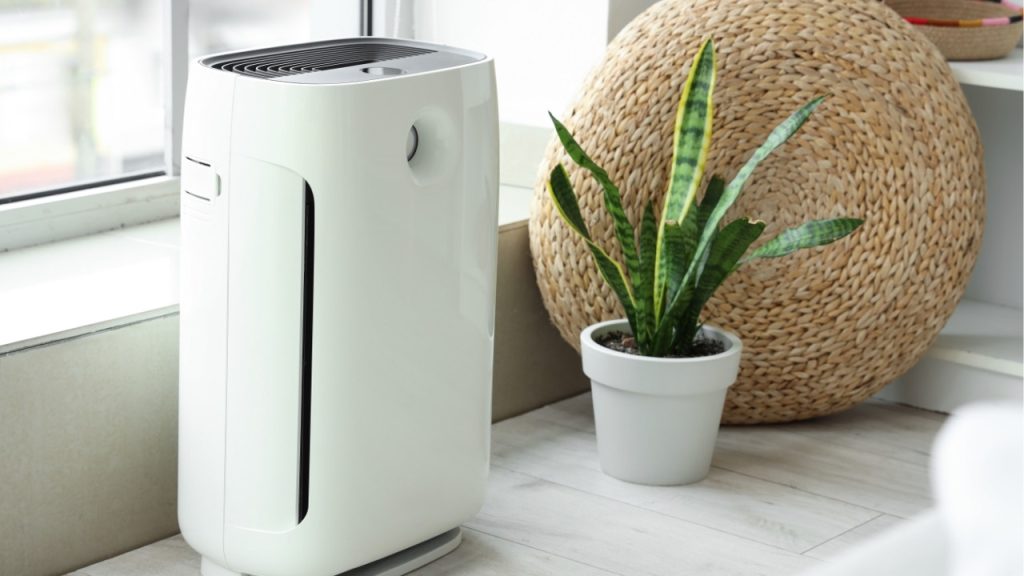
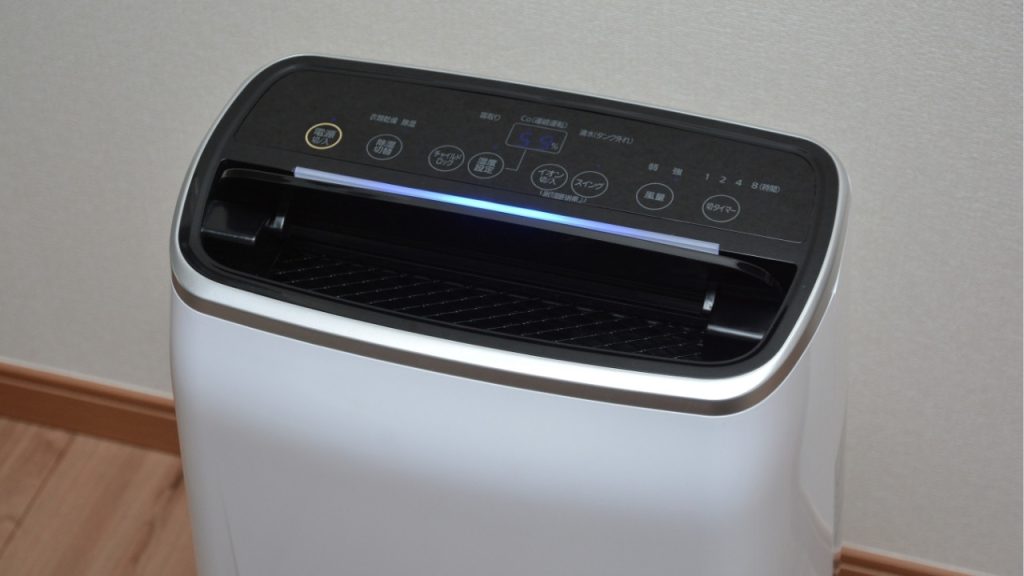
Use a dehumidifier to reduce moisture levels in your home, especially in basements, bathrooms, and other damp areas. You can also run exhaust fans in kitchens and bathrooms to keep humidity under control. Ideally, indoor humidity should stay between 30% and 50%.
Insulate Ducts and Vents
Adding insulation around ductwork helps prevent cold surfaces from meeting warm air. If your ducts run through unconditioned spaces, make sure they are wrapped properly. In some cases, replacing metal vent covers with insulated options can help reduce sweating.
Improve Airflow
Check and replace dirty air filters regularly. Make sure supply and return vents are open and unobstructed by furniture, rugs, or curtains. Good airflow helps the system operate more efficiently and reduces the chance of vent condensation.
Seal Air Leaks
Air leaks around ducts, vent boots, and ceiling openings can allow humid air to reach cold surfaces. Sealing these gaps with HVAC-approved mastic or weatherstripping can make a big difference. Preventing warm air from entering the vent area is key to stopping AC vent sweating.
Adjust Thermostat Settings
Setting the thermostat too low can make vents colder than necessary and increase condensation. Try raising the temperature a few degrees and using a programmable thermostat to keep cooling cycles more consistent.
When to Call an HVAC Professional
If you have tried these fixes and still see moisture around your vents, it may be time to call an HVAC technician. Persistent condensation can signal duct leaks, inadequate insulation, refrigerant problems, or an improperly sized system. A professional can inspect your setup and recommend the right repair.
Final Thoughts
Learning how to stop condensation from air conditioner vents starts with understanding the root causes. High humidity, poor insulation, restricted airflow, and air leaks are the most common culprits. By lowering indoor moisture, insulating ducts, improving airflow, and sealing leaks, you can prevent AC vent condensation and protect your home from water damage and mold.