Have you ever pulled a favorite shirt, towel, or pair of jeans out of the wash only to find unwanted color bleeding ruined the fabric? Learning how to use rit color remover in washing machine can help rescue color-stained laundry and restore items safely when used the right way. With the proper steps, you can remove dye transfer, fix accidental color runs, and get the best possible results without damaging your clothes.
What Is Rit Color Remover?
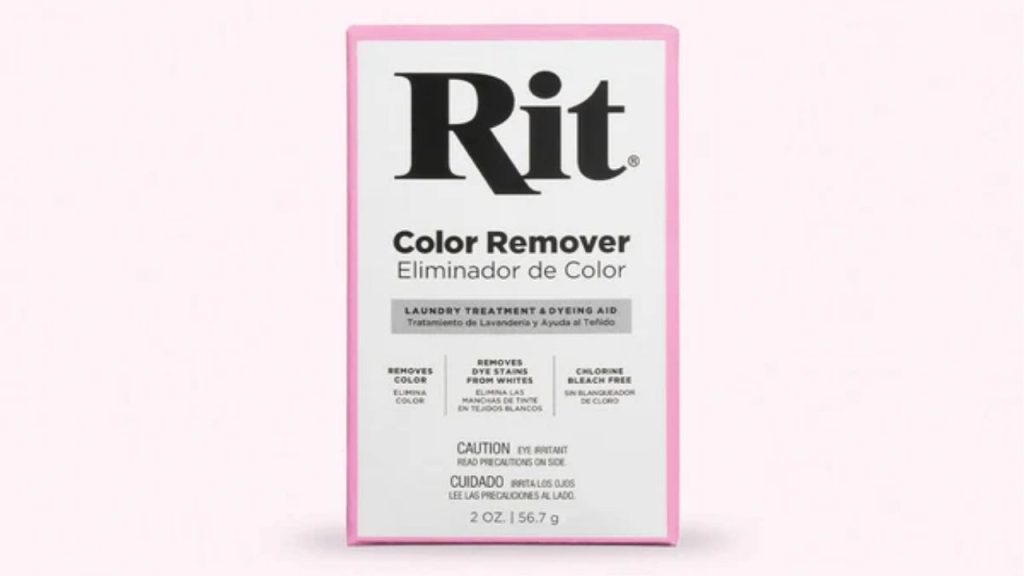
Rit Color Remover is a powerful laundry treatment designed to remove existing dye from fabric. Unlike bleach, it works by stripping color from washable materials, making it useful for correcting dye transfer accidents or preparing fabric for recoloring. It is commonly used on cotton, linen, rayon, wool, and some synthetic blends, but results can vary depending on the fabric and dye type.
Before You Start
Check the Fabric Care Label
Before using Rit Color Remover in the washing machine, always inspect the care label. The product works best on items that can handle hot water and agitation. Delicate fabrics, dry-clean-only items, and some synthetics may not be suitable.
Test for Colorfastness
If the garment has multiple colors or trim, test a small hidden area first. This helps you avoid removing color from parts you want to keep. Some fabrics may not react evenly, so testing is an important part of getting good results.
Gather What You Need
You will need Rit Color Remover, hot water, a washing machine, rubber gloves, and a bucket or measuring cup if pre-dissolving is recommended for your specific setup. Read the product package instructions before starting.
How to Use Rit Color Remover in Washing Machine
Step 1: Wash the Item First
Start with clean fabric. Remove any dirt, detergent residue, or fabric softener before treatment. A clean item allows the color remover to work more evenly.
Step 2: Dissolve the Product Properly
For the best results, dissolve Rit Color Remover in hot water before adding it to the washer, if needed according to the label directions. This helps the product distribute evenly through the load.
Step 3: Use the Hottest Water Safe for the Fabric
Hot water activates the product more effectively. Set your washing machine to the hottest water temperature that the fabric can safely tolerate. This is one of the most important tips for improving results.
Step 4: Run the Wash Cycle
Place the item in the washer and add the dissolved color remover. Run a full wash cycle, preferably with enough water for the fabric to move freely. If needed, use a longer cycle for more even color removal.
Step 5: Rinse Thoroughly
After the cycle ends, rinse the item well to remove any remaining product. A second rinse cycle may help ensure the fabric is fully cleaned before drying.
Tips for the Best Results
Act Quickly on Dye Transfer
The sooner you treat a color-bleeding accident, the better your chances of removing the unwanted dye. Fresh stains are easier to lift than set-in discoloration.
Avoid Overloading the Washer
Give the fabric room to move. Overcrowding prevents the solution from reaching every part of the garment evenly.
Repeat if Necessary
Severe dye transfer may require a second treatment. If the first cycle does not fully remove the color, repeat the process before drying the item.
Do Not Dry Until You Are Satisfied
Heat from the dryer can lock in remaining dye. Check the results carefully before drying, because once the item is heat-set, removal becomes much harder.
When Not to Use Rit Color Remover
Do not use it on silk, leather, wool unless the label says it is safe, or on garments with special finishes. Also avoid using it on items you do not want to lighten overall, because the process may remove all dyes, not just the unwanted one.
Final Thoughts
Knowing how to use rit color remover in washing machine can save a damaged garment and help reverse laundry dye mishaps effectively. The key is to follow the label, use hot water safely, allow enough room for the fabric to move, and act fast. With the right approach, you can improve your chances of restoring your laundry and getting cleaner, more even results.