Ever wondered whether you can safely clean a sleeping bag in your washing machine without ruining the insulation? The answer is yes, in many cases, but only if you know the right steps before you start. Learning how to wash sleeping bag in washing machine the right way can help preserve warmth, loft, and fabric integrity, whether you own a down sleeping bag or a synthetic one.
Can You Wash a Sleeping Bag in a Washing Machine?
Yes, most sleeping bags can be machine washed, but the process depends on the care label, insulation type, and washer size. If the tag says machine washable, you can usually wash it at home using a front load washer or a top load washer without a central agitator. A large, gentle-capacity machine is best because sleeping bags need room to move freely.
What to Check Before Washing
Read the Care Label First
Before you learn how to wash sleeping bag in washing machine, check the manufacturer’s instructions. Some sleeping bags require special detergents, low temperatures, or hand washing only. Ignoring the label can damage the outer shell, compress the fill, or weaken waterproof coatings.
Identify the Insulation Type
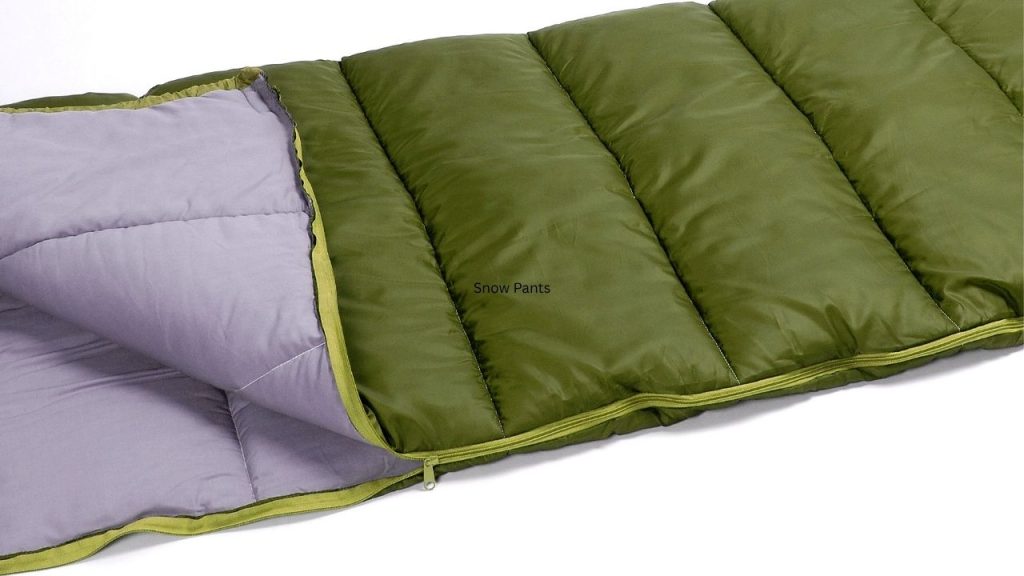
Down and synthetic sleeping bags need different care. Down bags require a down-specific detergent and extra drying time to restore loft. Synthetic sleeping bags are easier to clean and dry faster, but still need gentle handling to avoid clumping or fabric wear.
Inspect for Damage
Look for broken zippers, loose seams, tears, or holes before washing. Small damage can get worse in the washer, especially if the bag is zipped incorrectly or catches on the drum. Repair any issues first, then wash.
How to Wash Sleeping Bag in Washing Machine
Use a Large, Gentle Cycle
Turn the sleeping bag inside out if the care label recommends it, then zip all zippers and secure Velcro closures. Place it loosely in the washer. Use cold or lukewarm water and select the gentle or delicate cycle to minimize stress on the fabric and insulation.
Choose the Right Detergent
Use a mild, non-detergent soap or a cleaner made for technical outdoor gear. Avoid bleach, fabric softener, and strong detergent formulas. These can break down insulation, leave residue, and reduce water resistance.
Rinse Thoroughly
A sleeping bag can trap detergent inside the fill, so an extra rinse cycle is often a smart idea. This is especially important if you are washing a down sleeping bag, since soap residue can reduce loft and warmth.
How to Dry a Sleeping Bag Correctly
Tumble Dry on Low Heat
Drying is just as important as washing. Put the sleeping bag in a large dryer on low heat. Add clean dryer balls or a couple of tennis balls wrapped in socks to help break up clumps and restore fluff.
Stop and Fluff Periodically
Remove the bag every 20 to 30 minutes and shake it out gently. This helps prevent uneven drying and keeps the insulation from bunching in one area. A sleeping bag may take several hours to dry completely, especially if it is down-filled.
Common Mistakes to Avoid
Do not use high heat, which can melt synthetic fibers or damage the shell. Do not overload the washer, since the bag needs space to clean properly. Avoid hanging a soaking wet sleeping bag for long periods, because the weight can stretch the fabric and stress seams.
Final Tips for Better Results
If you are unsure how to wash sleeping bag in washing machine safely, start with the care label and use the gentlest method possible. A front load washer, mild detergent, and low-heat drying will give the best results for most sleeping bags. When cleaned and dried properly, your sleeping bag can stay comfortable, odor-free, and ready for your next adventure.