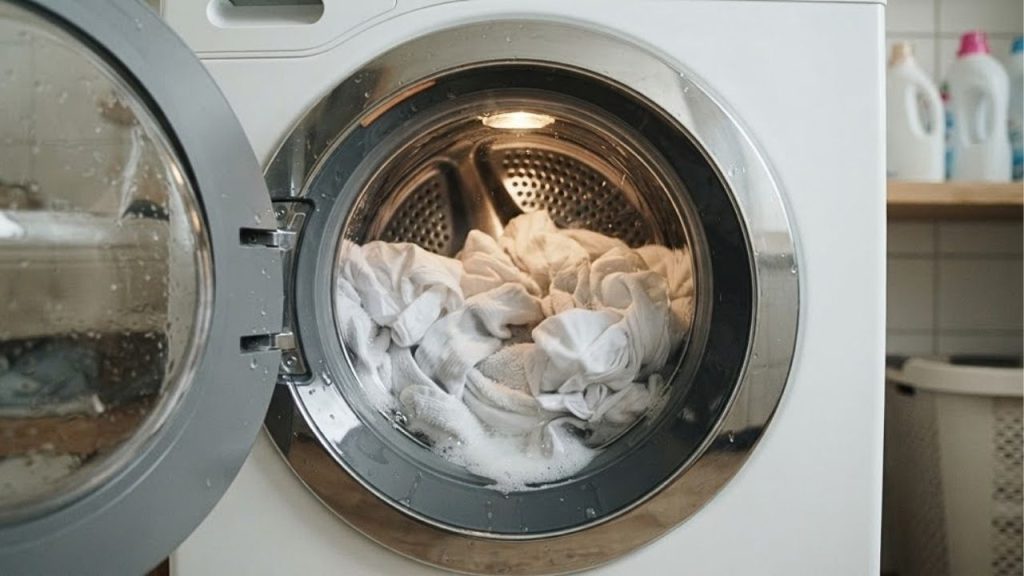
Have you ever pulled a load of white laundry from the washer only to find it looking dull, yellowed, or gray? If you want to know how to wash whites in a washing machine the right way, the key is to use the correct water temperature, detergent, cycle settings, and stain treatment before you start. Whites need a little extra care because they show discoloration faster than other fabrics, but with the right routine, you can keep them bright and fresh for longer.
Why White Laundry Needs Special Care
White clothes, towels, and sheets look clean only when they stay free of body oils, deodorant stains, food spills, and detergent buildup. Over time, these issues can make fabrics look dingy even after washing. Learning how to wash whites in a washing machine helps prevent fading, discoloration, and that worn-out look many people struggle with.
White fabrics also react differently depending on the material. Cotton whites can usually handle warmer water, while delicate fabrics may need a gentler approach. Always check the care label before choosing a cycle.
Sort Whites Before Washing
Separate by Fabric and Soil Level
Start by sorting whites from colors to avoid dye transfer. Then separate heavily soiled items from lightly used ones. Wash towels, socks, and workout whites separately from dress shirts or delicate garments when possible.
Check for Stains First
Treat stains before putting whites in the washer. Common stains like sweat, grease, coffee, and makeup are easier to remove when addressed early. A stain remover or a small amount of liquid detergent can help loosen the stain before washing.
Choose the Right Washer Settings
Use Warm or Hot Water When Appropriate
One of the most important steps in how to wash whites in a washing machine is selecting the right water temperature. Warm water works well for most white cottons and everyday laundry. Hot water is often best for towels, bedding, and heavily soiled whites, but it is not ideal for delicate fabrics or items that may shrink.
Select the Proper Cycle
Use a normal cycle for durable whites and a gentle cycle for delicate items. Heavily stained items may benefit from a longer wash cycle, while smaller loads may need less agitation. If your machine has a whites or heavy-duty setting, it can be a good option for durable fabrics.
Pick the Best Detergent
Use a Quality Laundry Detergent
Choose a detergent made for brightening and deep cleaning. Liquid detergent often works well for treating stains, while powdered detergent can be effective for keeping whites looking bright. Avoid using too much detergent, since residue can cling to fabric and make whites appear dull.
Consider Oxygen Bleach
If you want to whiten laundry without harsh chemicals, oxygen bleach is a strong option. It can help remove stains and brighten fabrics safely for many washable whites. Follow the product instructions carefully and never mix it with chlorine bleach unless the label says it is safe.
Avoid Common Mistakes
Do Not Overload the Washer
A crowded washer can prevent detergent and water from circulating properly. When loads are packed too tightly, whites may not come out fully clean. Give fabrics enough room to move freely.
Skip Too Much Fabric Softener
Fabric softener can leave a coating on some whites, especially towels, which may reduce absorbency and cause buildup. Use it sparingly or skip it when washing items that need to stay crisp and clean.
Dry Whites the Right Way
Use the Correct Drying Method
Dry whites according to the care label. Sunlight can naturally help brighten some cotton items, but too much heat can damage delicate fabrics or cause shrinkage. Remove laundry promptly after the cycle ends to help prevent musty odors and wrinkles.
Keep Whites Bright Longer
To maintain bright laundry, wash whites regularly, treat stains quickly, and avoid mixing them with dark colors. Using the right cycle, detergent, and water temperature makes a major difference in how to wash whites in a washing machine successfully. With these simple habits, your whites can stay cleaner, brighter, and fresher after every wash.