Did you know that proper humidification can make oxygen therapy more comfortable and help reduce dryness during use? If you are learning how to set up oxygen concentrator with humidifier, the process is simpler than it sounds when you follow the right steps. A humidifier bottle adds moisture to the oxygen flow, which may help ease nasal irritation, especially during longer therapy sessions. In this quick setup guide, you will learn how to connect an oxygen concentrator with humidifier bottle, check for leaks, and use the system safely and effectively.
What You Need Before Setup
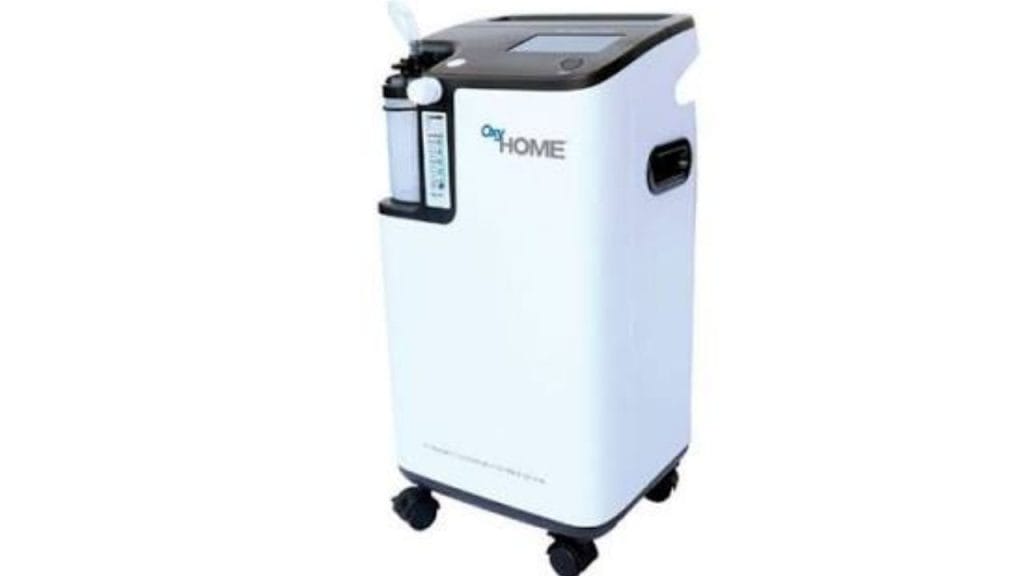
Before starting, make sure you have the correct parts and a clean workspace. Most oxygen concentrator humidifier setups include the concentrator, a humidifier bottle, sterile or distilled water, oxygen tubing, and the connector or adapter that links the bottle to the machine.
Check Compatibility
Not all concentrators use the same humidifier bottle design. Review your manufacturer’s instructions to confirm that the humidifier bottle fits your oxygen concentrator model. Using the wrong accessory can lead to leaks or poor oxygen delivery.
Prepare the Water
Fill the humidifier bottle with sterile or distilled water only. Avoid tap water unless your doctor or device manual specifically allows it. Water should be filled to the indicated line, not overfilled.
How to Set Up Oxygen Concentrator with Humidifier
Follow these basic steps to complete the oxygen concentrator humidifier setup safely.
Step 1: Turn Off the Concentrator
Always switch off and unplug the oxygen concentrator before attaching any accessories. This helps prevent damage and ensures safe handling.
Step 2: Attach the Humidifier Bottle
Connect the humidifier bottle to the designated port on the concentrator. Some models require a bracket or holder to secure the bottle in place. Make sure the connection is snug but not overly tight.
Step 3: Connect the Tubing
Attach one end of the oxygen tubing to the outlet on the humidifier bottle. Connect the other end to your nasal cannula or oxygen mask. Check that all fittings are firmly seated to avoid air leaks.
Step 4: Add Water to the Bottle
If you have not already done so, pour sterile or distilled water into the bottle up to the fill line. Recheck the cap and seal to ensure the bottle is closed correctly.
Step 5: Turn On and Test the Flow
Plug the concentrator back in and turn it on. Watch for bubbles in the humidifier bottle, which usually indicates oxygen is flowing through the water as intended. If you do not see bubbling, inspect all connections.
How to Know the Setup Is Working
A properly connected oxygen concentrator with humidifier should deliver steady oxygen flow without obvious leaks. You may hear a light bubbling sound from the humidifier bottle. Your tubing should remain secure, and the oxygen output should feel consistent through the cannula.
Common Problems to Watch For
If the bottle is not bubbling, check for loose tubing, a misplaced cap, or an empty water chamber. If water seems to back up into the tubing, the bottle may be overfilled. If the setup feels unstable, reposition the bottle and confirm that the adapter is properly installed.
Safety Tips for Oxygen Concentrator Humidifier Use
Keep the concentrator away from heat sources, flames, and smoking materials. Clean the humidifier bottle regularly according to the manufacturer’s directions. Replace water daily or as recommended to reduce contamination. Never use oils, lotions, or petroleum-based products near oxygen equipment.
When to Ask for Help
If you are unsure about the setup, contact your oxygen supplier, respiratory therapist, or healthcare provider. They can show you how to connect oxygen concentrator with humidifier bottle correctly and confirm that your equipment is functioning properly.
Final Thoughts
Learning how to set up oxygen concentrator with humidifier is an important step toward more comfortable oxygen therapy. With the right parts, clean water, and secure connections, you can complete the setup in just a few minutes. Always follow your device manual and medical guidance to ensure safe, effective use.