Is your baby struggling to breathe comfortably because of nasal congestion? A humidifier can help add moisture to dry indoor air and make it easier for your little one to rest, feed, and sleep.
If you are wondering how to use humidifier for baby congestion, the good news is that it is simple when used correctly. A humidifier does not cure congestion, but it can help loosen mucus, soothe irritated nasal passages, and improve comfort during colds, dry weather, or allergy season.
Why a Humidifier Helps Baby Congestion
Babies have tiny nasal passages, so even mild congestion can make breathing harder. Dry air can also irritate the nose and throat, making symptoms feel worse.
A humidifier adds moisture to the air, which may help:
- Thin mucus so it drains more easily
- Reduce dryness in the nose and throat
- Make breathing more comfortable
- Support better sleep during congestion
Choosing the Right Humidifier for a Baby
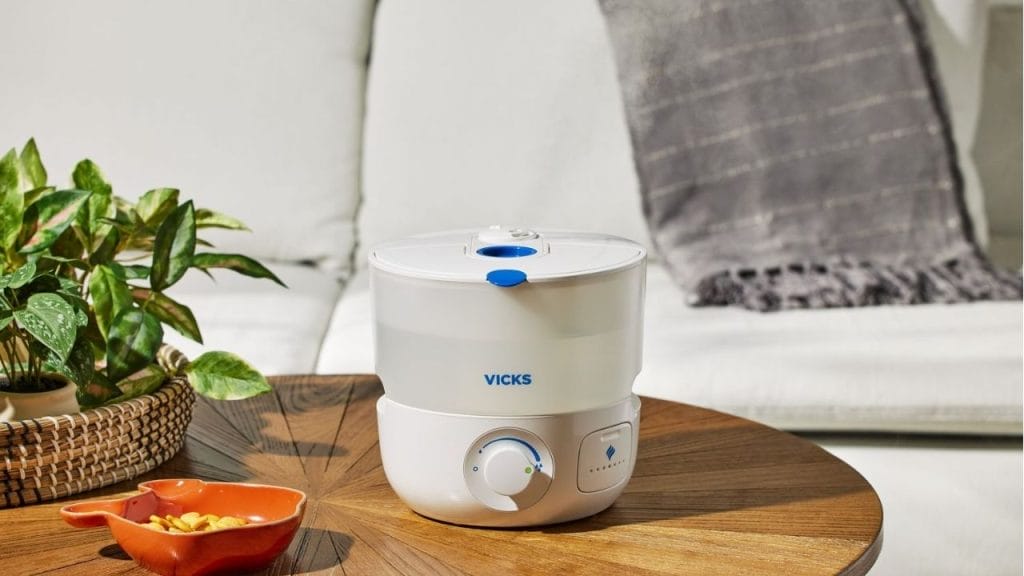
When selecting a humidifier for baby congestion, look for a cool mist humidifier. Cool mist models are generally safer than warm mist units because they do not use heat.
Best Features to Look For
- Quiet operation for sleep time
- Easy cleaning design
- Adjustable mist output
- Auto shut-off
- A tank size that fits your room needs
Avoid products with added fragrances, essential oils, or strong scents unless your pediatrician says they are safe. Many babies are sensitive to airborne additives.
How to Use Humidifier for Baby Congestion Safely
Using a humidifier the right way matters just as much as choosing one.
1. Place It in the Right Spot
Set the humidifier on a flat, elevated surface near the crib, but out of your baby’s reach. Keep it several feet away so the mist does not make bedding damp.
2. Use Distilled Water When Possible
Distilled water helps reduce mineral buildup and white dust. It can also make cleaning easier and improve air quality.
3. Keep the Room Comfortable, Not Damp
Too much humidity can encourage mold and dust mites. Aim for a room humidity level between 30% and 50%. If you do not have a hygrometer, watch for signs of excess moisture, like damp walls or wet surfaces.
4. Run It During Sleep or Rest Time
A humidifier is especially helpful at night when congestion can worsen. You can also use it during naps if the room feels dry.
5. Clean It Regularly
A dirty humidifier can spread mold and bacteria. Clean and dry the tank daily if possible, and follow the manufacturer’s deeper cleaning instructions at least once a week.
Extra Tips for Relieving Baby Nasal Congestion
A humidifier works best as part of a simple congestion-relief routine.
Try Saline Drops and Suction
Use saline drops in your baby’s nose before feeding or sleep, then gently remove mucus with a bulb syringe or nasal aspirator if needed.
Keep Baby Hydrated
For infants, continue regular feedings as recommended by your pediatrician. Hydration helps thin mucus naturally.
Elevate Comfort Safely
Do not place pillows in the crib. Instead, hold your baby upright for a short time after feeding, if appropriate, to help ease congestion.
When to Call the Pediatrician
A humidifier can help with mild congestion, but some symptoms need medical attention.
Call your pediatrician if your baby has:
- Trouble breathing
- Fever in a newborn or persistent fever
- Poor feeding
- Signs of dehydration
- Congestion lasting more than a few days
- Wheezing, bluish lips, or severe cough
Final Thoughts
Knowing how to use humidifier for baby congestion can make a big difference in your baby’s comfort. Choose a cool mist model, place it safely, clean it often, and keep the room humidity balanced. When used correctly, a humidifier can be a helpful tool for easing dry air discomfort and supporting more restful sleep.