Did you know that a baby’s nasal passages are much smaller and more sensitive than an adult’s, which means dry indoor air can make breathing, sleeping, and feeding more uncomfortable? If you are wondering how to use humidifier for newborn safely and effectively, you are not alone. A humidifier can help add moisture to the air, ease dryness, and support a more comfortable nursery environment, especially during winter or when the heating system is running often.
Why Use a Humidifier for a Newborn?
A humidifier for newborn care can be helpful when the air in your home is too dry. Dry air may lead to irritated noses, dry skin, coughs, or restless sleep. By maintaining balanced humidity, you can create a more comfortable sleep space for your baby.
For many parents searching for the best humidifier for baby nursery, the goal is simple: make the room comfortable without overdoing moisture. A properly used humidifier can support your newborn’s comfort, but it should always be used safely.
How to Use Humidifier for Newborn Safely
Knowing how to use humidifier for newborn starts with choosing the right type and setting it up correctly.
Choose a Cool Mist Humidifier
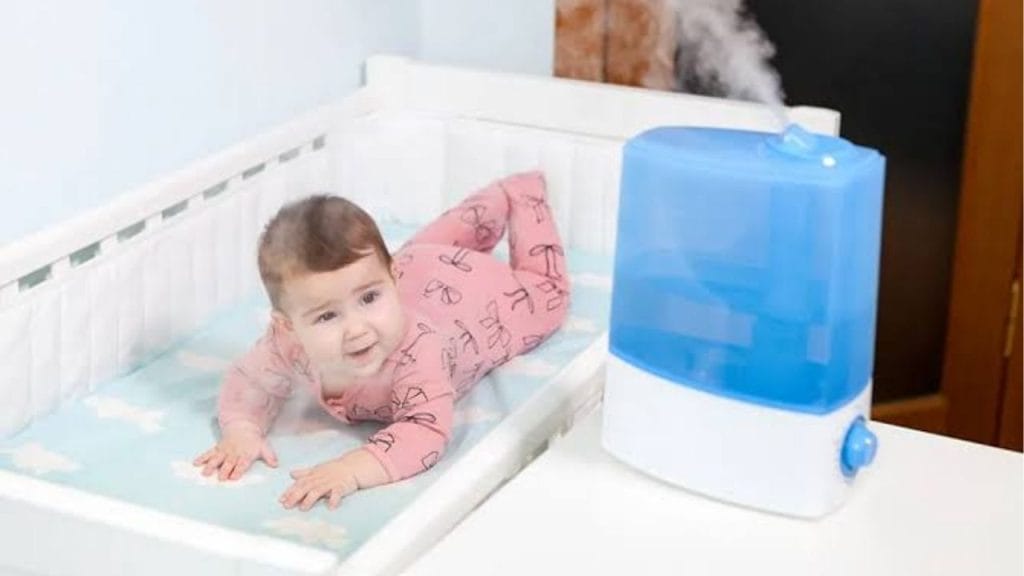
A cool mist humidifier is usually the safest choice for a newborn because it does not use heat. Warm mist models can pose a burn risk if tipped over or placed too close to the crib. If you want a baby humidifier for congestion, a cool mist model is generally recommended by many pediatric sources for nursery use.
Place It in the Right Spot
Set the humidifier on a flat, stable surface at least a few feet away from the crib. Never place it where your baby can reach it. The mist should circulate through the room, not blow directly on your newborn.
Keep Indoor Humidity Balanced
Aim for indoor humidity between 30% and 50%. Too little moisture will not help much, while too much humidity can encourage mold, dust mites, and mildew. A hygrometer can help you monitor the room. This is one of the most important humidifier safety tips for babies.
Use Clean Water and Change It Daily
Use distilled or filtered water if possible to reduce mineral buildup and white dust. Empty the tank every day, rinse it, and refill it with fresh water. Standing water can grow bacteria and mold, which is why clean humidifier maintenance matters for infant health.
Humidifier Safety Tips for Babies
When using a humidifier in a nursery, safety should always come first.
Clean the Humidifier Regularly
Follow the manufacturer’s instructions for cleaning. Many parents forget this step, but regular cleaning is essential to prevent germs from spreading in the air.
Avoid Essential Oils Unless Approved
Do not add essential oils or fragrances unless the product specifically allows it and your pediatrician agrees. Newborn lungs are delicate, and added scents can cause irritation.
Watch for Signs of Over-Humidification
If you see condensation on windows, feel the room is damp, or notice musty odors, the humidity may be too high. Lower the settings or use the humidifier less often.
When to Use a Humidifier for Baby Congestion
If your newborn has a stuffy nose, a humidifier can make breathing easier by adding moisture to dry air. It is often used overnight to help with comfort during sleep. You can also pair it with a saline nasal spray recommended by your pediatrician for additional relief.
However, if congestion is severe, lasts more than a few days, or is paired with fever, poor feeding, or trouble breathing, contact your baby’s doctor right away.
Final Thoughts
Learning how to use humidifier for newborn care is mostly about balance, cleanliness, and safety. Choose a cool mist model, place it properly, clean it often, and keep humidity at a healthy level. Used correctly, a humidifier can be a helpful nursery appliance that supports your baby’s comfort during dry seasons and stuffy nights.