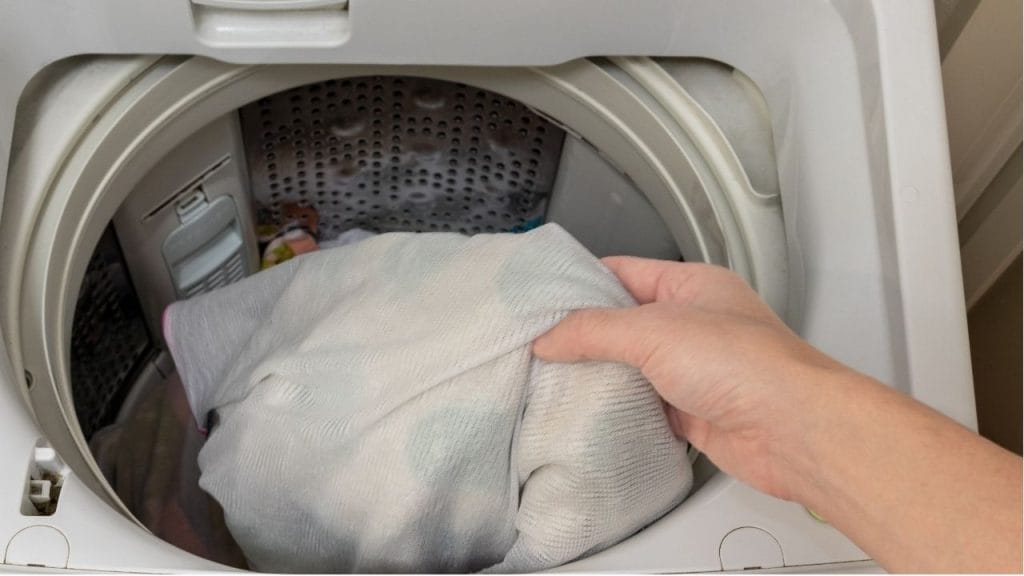
Have you ever opened your washing machine and found water dripping into it long after a cycle ended? This common issue can waste water, drive up utility bills, and even leave clothes damp or musty. If you are searching for how to stop water dripping into washing machine, the good news is that the cause is usually a simple part failure, valve problem, or hose issue that you can fix without replacing the entire appliance.
Why Water Keeps Dripping Into the Washing Machine
Water should only enter your washer when the fill cycle starts. If it keeps dripping, the problem is often related to the water inlet system. A faulty inlet valve, worn washer hoses, or household water pressure can all allow a slow leak into the tub.
Other signs may include a constant trickle sound, a slowly filling drum when the machine is off, or water appearing inside the tub between loads. Identifying the source is the first step to stopping the leak.
Common Causes of Water Dripping Into a Washing Machine
Faulty Water Inlet Valve
The water inlet valve controls how much water flows into the washer. If the valve is worn out or stuck open, water can seep into the machine even when it is turned off. Mineral buildup, debris, or internal damage are common reasons this happens.
Damaged or Loose Hoses
Check the hot and cold water supply hoses behind the washer. Cracks, loose connections, or old rubber hoses can let water drip into the machine or around it. Even a tiny leak can become a bigger problem over time.
High Water Pressure
If your home water pressure is too high, it can force water through the inlet valve even when it should stay closed. This can make it seem like the washer is leaking, when the real issue is pressure from the plumbing system.
Detergent or Debris Blockage
Sediment, rust, and debris in the water lines can prevent the valve from sealing properly. In some cases, soap residue or mineral deposits may also affect the washer’s internal water flow.
How to Stop Water Dripping Into Washing Machine
Turn Off the Water Supply
Start by shutting off the hot and cold water supply valves behind the washer. This immediately stops water from entering the appliance and helps prevent further damage.
Inspect and Replace Hoses
Look for bulges, cracks, or worn fittings on the supply hoses. Tighten loose connections and replace damaged hoses right away. It is also smart to use braided stainless steel hoses for better durability.
Clean the Inlet Screens
Many washers have small screens where the hoses connect to the inlet valve. Turn off the water, disconnect the hoses, and check for sediment buildup. Clean the screens gently with a soft brush and rinse them well.
Test the Water Inlet Valve
If water still drips into the washer, the inlet valve may need replacement. A technician can test whether the valve is closing completely. In many cases, replacing this part is the best fix for a washer leaking water into the drum.
Check Household Water Pressure
Use a pressure gauge to check your home’s water pressure. If it is too high, a plumber may need to install or adjust a pressure regulator. This can protect both your washer and your plumbing.
When to Call a Repair Professional
If you have cleaned the screens, replaced the hoses, and shut off the water but the problem continues, it may be time to call an appliance repair expert. Internal valve failure, control board issues, or hidden plumbing problems may require professional diagnosis.
Prevent Future Washer Water Leaks
To reduce the risk of water dripping into the washing machine again, inspect hoses twice a year, replace old rubber hoses every few years, and keep the inlet valve area free of sediment. Regular maintenance can help your washer run efficiently and prevent costly water damage.
If you want to know how to stop water dripping into washing machine effectively, start with the inlet valve, hoses, and water pressure. In most cases, one of these simple fixes will solve the problem and keep your washer dry between loads.