Have you ever stepped out of a hot shower and noticed your bathroom mirror still coated in fog 20 minutes later? That is often the first clue that your bathroom exhaust fan is not working the way it should. Knowing how to tell if bathroom fan is working can help you prevent excess moisture, mold growth, and lingering odors before they become bigger problems.
Why Your Bathroom Fan Matters
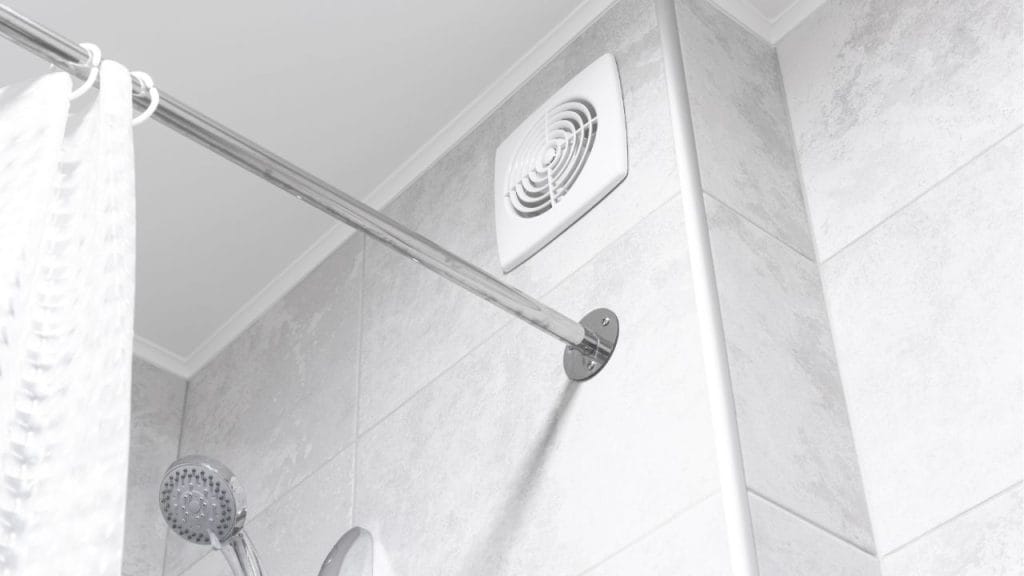
A bathroom fan is designed to pull humid air, steam, and odors out of the room and send them outside. When it works properly, it helps protect paint, drywall, grout, and fixtures from moisture damage. If the fan is weak, clogged, or broken, humidity stays trapped in the bathroom and can lead to peeling walls, mildew, and poor indoor air quality.
How to Tell if Bathroom Fan Is Working
Check for Air Movement
The simplest way to test a bathroom exhaust fan is to turn it on and feel for suction. Hold a small piece of toilet paper near the fan grille. If the fan is working, the paper should be pulled upward and stay in place. You can also place your hand near the vent to feel airflow.
Listen for the Motor
A working fan usually makes a steady humming or whirring sound. If you flip the switch and hear nothing, the fan may not be getting power, or the motor may have failed. If it sounds unusually loud, rattly, or strained, that can also signal a problem.
Watch How Fast Steam Clears
After a shower, a functioning bathroom fan should reduce mirror fog and steam within a reasonable amount of time. If the bathroom stays humid for a long time, or the mirror remains fogged much longer than usual, the fan may not be exhausting air effectively.
Check the Exterior Vent
Many homeowners forget to inspect the outside vent. If the fan is running, you should feel air coming out of the exterior vent cover. Step outside or look in the attic if accessible and safely confirm that air is moving through the ductwork.
Look for Dust and Debris
A dirty fan may still turn on, but it may not move enough air. Remove the cover and check for dust buildup on the grille, blades, and motor housing. A clogged fan often runs inefficiently and may need cleaning to restore performance.
Signs Your Bathroom Fan Is Not Working Properly
Lingering Moisture
If your bathroom walls, ceiling, or mirror stay wet after use, the fan may not be ventilating as it should. Persistent moisture is one of the clearest signs of a weak or nonworking fan.
Mold or Mildew Smells
A musty odor is another warning sign. When a bathroom fan is working correctly, it helps remove damp air before mold and mildew can spread. If the smell keeps coming back, the fan may not be doing its job.
Peeling Paint or Water Stains
Excess humidity can cause paint to bubble, peel, or discolor over time. Water stains on the ceiling are another clue that the fan is not pulling moisture out of the room.
No Change When the Switch Is On
If the fan does not start at all, or if it runs but does not improve airflow, the issue could be electrical, mechanical, or duct-related.
What to Do if the Fan Seems Weak
Start by cleaning the grille and blades. Then check whether the duct is blocked, disconnected, or crushed. Make sure the fan vents to the outside and not into the attic. If the motor is dead or the fan is very old, replacement may be the best option.
When to Call a Professional
If you suspect wiring issues, damaged ductwork, or a failing motor, it is smart to call an electrician or HVAC professional. A properly working bathroom exhaust fan is essential for controlling humidity, and professional help can prevent costly moisture damage later.
Final Thoughts
Learning how to tell if bathroom fan is working does not require special tools. Watch for airflow, listen for the motor, check how quickly steam clears, and inspect the exterior vent. If you notice poor ventilation, strange noises, or lingering moisture, your bathroom fan may need cleaning, repair, or replacement.
If you've noticed persistent fog on your bathroom mirror after a shower, it might be time to learn how to tell if bathroom exhaust fan is working effectively.