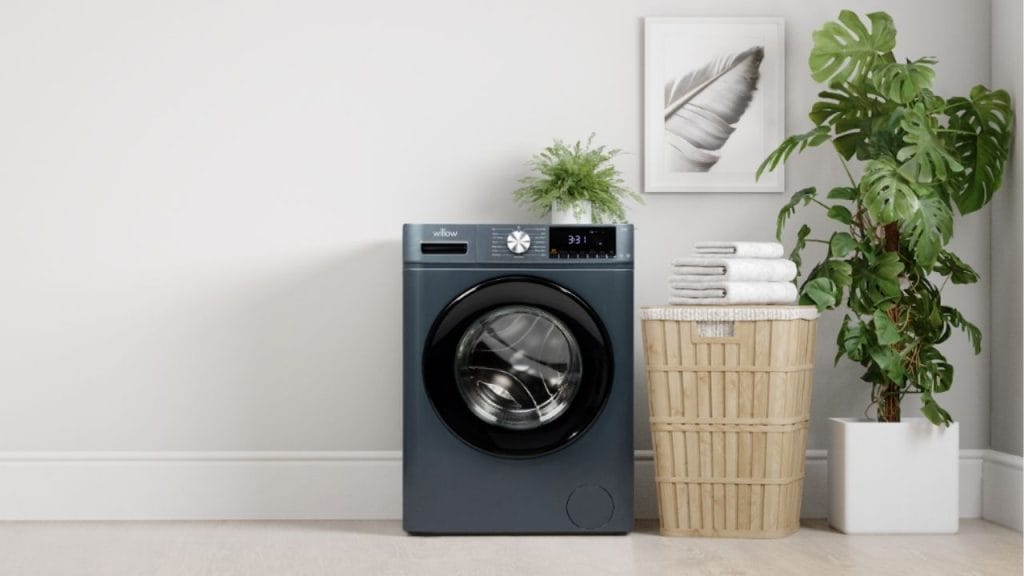
Have you ever wondered how to use dry washing machine the right way to save time, protect delicate clothes, and get fresher results with less effort? A dry washing machine, often referred to as a tumble dryer or clothes dryer, is one of the most convenient home appliances for busy households. When used correctly, it can help you dry laundry efficiently, reduce wrinkles, and extend the life of your garments.
What Is a Dry Washing Machine?
A dry washing machine is a home appliance designed to remove moisture from clothes after washing. Unlike a traditional washer, it uses heat, airflow, or a combination of both to dry fabrics. If you are searching for how to use dry washing machine settings properly, the key is understanding fabric type, load size, and drying cycle selection.
How to Use Dry Washing Machine Step by Step
1. Sort Your Laundry First
Before placing clothes in the machine, separate items by fabric type and drying needs. Heavy towels, jeans, and bedding may need longer cycles than lightweight shirts or delicate clothes. Sorting helps prevent over-drying and fabric damage.
2. Check Clothing Labels
Always read the care tags on your garments. Some fabrics are not suitable for machine drying. If a label says “line dry” or “do not tumble dry,” follow those instructions to avoid shrinking or ruining the material.
3. Load the Machine Properly
Do not overload the drum. A crowded machine blocks airflow and leads to uneven drying. For best results, fill the dryer about halfway to two-thirds full, depending on the model and fabric weight. This is one of the most important tips for anyone learning how to use dry washing machine efficiently.
4. Clean the Lint Filter
Remove lint from the filter before each cycle. A clogged lint screen reduces performance and can create a fire hazard. Regular cleaning also improves airflow and helps the appliance dry clothes faster.
5. Choose the Right Cycle
Most dryers offer settings such as:
Normal Dry
Best for everyday clothing like cotton shirts, socks, and underwear.
Delicate or Low Heat
Ideal for fragile fabrics, synthetic blends, and items that may shrink under high heat.
Heavy Duty
Good for towels, blankets, and thicker garments.
Timed Dry
Useful when you want to control exactly how long the load runs.
Selecting the correct cycle is essential when using a clothes dryer for different fabric types.
6. Set the Heat Level
High heat dries faster, but it is not always the best choice. Use medium or low heat for delicate clothing and high heat for heavier items. If your dryer has an automatic moisture sensor, it can help prevent over-drying.
7. Remove Clothes Promptly
Once the cycle ends, take clothes out right away. This helps reduce wrinkles and makes ironing easier. If the load sits inside too long, it may develop a stale smell or extra creases.
Helpful Tips for Better Drying Results
To get the most out of your dry washing machine, shake clothes out before loading them. This improves airflow and speeds up drying. You can also dry similar fabrics together to avoid uneven results. If items are still damp after one cycle, use a short additional drying time instead of restarting a full cycle.
Safety Tips to Follow
Never dry clothes that contain flammable substances like gasoline or cleaning chemicals. Keep the area around the dryer clean and free from dust buildup. Also, inspect the vent system regularly if your appliance uses external venting.
Final Thoughts
Learning how to use dry washing machine properly is simple once you understand load size, fabric care, and cycle selection. By following the right steps, you can dry laundry faster, protect your clothes, and improve appliance performance. Whether you are drying everyday wear or delicate items, the right technique makes all the difference.