Have you noticed dry skin, static electricity, or scratchy air during winter? If so, your furnace humidifier may need a quick adjustment. Learning how to set a furnace humidifier can help improve indoor comfort, protect wood furniture, and keep your home’s humidity in a healthier range. With the right setup, you can enjoy balanced moisture without overhumidifying your space.
What a Furnace Humidifier Does
A furnace humidifier adds moisture to the air as your heating system runs. Since winter air is often dry, this helps reduce common problems like cracked lips, irritated sinuses, and static shocks. It also supports better comfort throughout the home.
If your humidifier is connected to your HVAC system, it usually works automatically once properly adjusted. That is why knowing how to set a furnace humidifier correctly matters.
Find the Right Humidity Level
Before changing any settings, determine the ideal indoor humidity for your home. In most cases, the best range is between 30% and 50%. During colder weather, a lower setting may be better to prevent condensation on windows.
Recommended Humidity Settings by Temperature
A simple rule is to lower humidity as outdoor temperatures drop. If it is very cold outside, too much moisture can create window condensation or even lead to ice buildup. For most homes, a setting around 35% is a safe starting point in winter.
If you are unsure where to begin, start low and adjust gradually.
How to Set a Furnace Humidifier
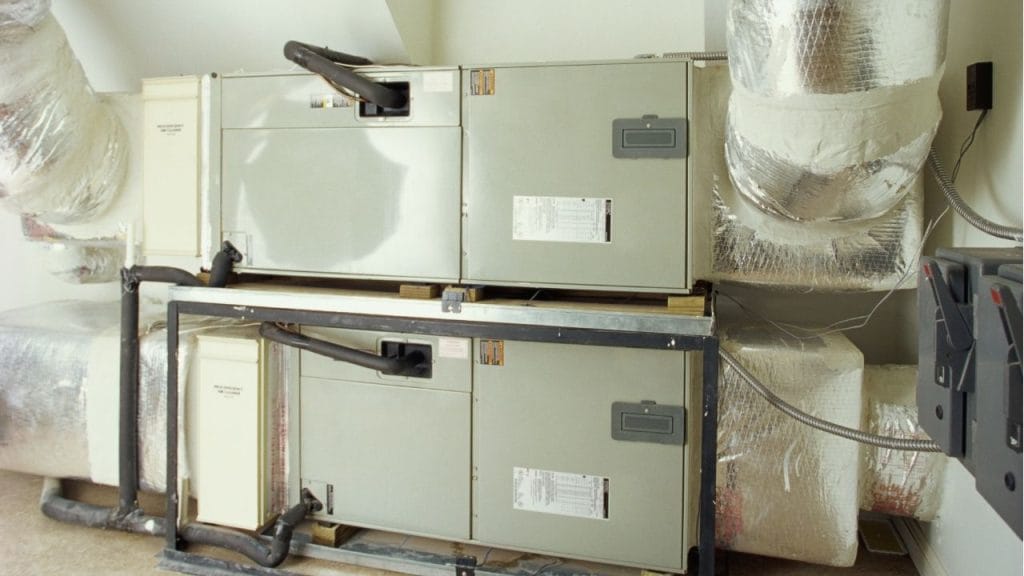
To set a furnace humidifier, first locate the humidistat or control dial. This is usually mounted on the return duct, furnace cabinet, or a wall near your HVAC system.
Step 1: Turn the System On
Make sure your furnace is running and the humidifier is connected properly. If your model has a bypass switch or power control, confirm it is turned on.
Step 2: Adjust the Humidistat
Set the humidistat to your target humidity level, usually around 35% to 40% for winter. If the control uses numbers instead of percentages, check the manufacturer’s guide for the correct setting.
Step 3: Check for Water Flow
After setting the humidifier, listen and look for signs that water is flowing through the unit. If the system has a water panel or evaporative pad, make sure it is not clogged or dry.
Step 4: Wait and Monitor
Give the system several hours to adjust the humidity in your home. Then check whether the air feels more comfortable and whether condensation appears on windows. If windows fog up, lower the setting a bit.
How to Know If the Setting Is Too High or Too Low
If the humidity is too low, you may still notice dry skin, static shocks, or throat irritation. If the humidity is too high, you may see condensation on glass, damp spots, or a musty smell.
Signs You Need to Adjust the Humidifier
Common signs of a poor setting include:
- Dry air even with the humidifier on
- Excess moisture on windows
- Uneven comfort between rooms
- Increased dust or stuffiness
Adjust in small increments and give the system time to respond.
Maintenance Tips for Better Performance
A properly set furnace humidifier still needs routine care. Replace the water panel or filter as recommended by the manufacturer. Inspect the water line for leaks and clean mineral buildup if needed. Regular maintenance helps the humidifier work efficiently and keeps your indoor air fresher.
Final Thoughts
Knowing how to set a furnace humidifier is a simple but important part of maintaining a comfortable home in winter. Start with a moderate humidity level, monitor the results, and make small adjustments as needed. With the right setting and basic upkeep, your furnace humidifier can help keep your indoor air healthier, warmer, and more comfortable all season long.