Is your home feeling damp, musty, or uncomfortable even when the temperature is normal? If so, learning how to set a dehumidifier correctly can make a big difference in your indoor air quality, comfort, and even the lifespan of your home surfaces and appliances. A properly set dehumidifier helps reduce excess moisture, prevent mold growth, and control humidity levels in basements, bedrooms, laundry rooms, and other problem areas.
How to Set a Dehumidifier for the Best Results
Setting up a dehumidifier is simple, but getting the settings right matters. The goal is to remove enough moisture without over-drying the air. Most experts recommend keeping indoor humidity between 30% and 50%. For most homes, 45% is a comfortable target.
1. Choose the Right Location
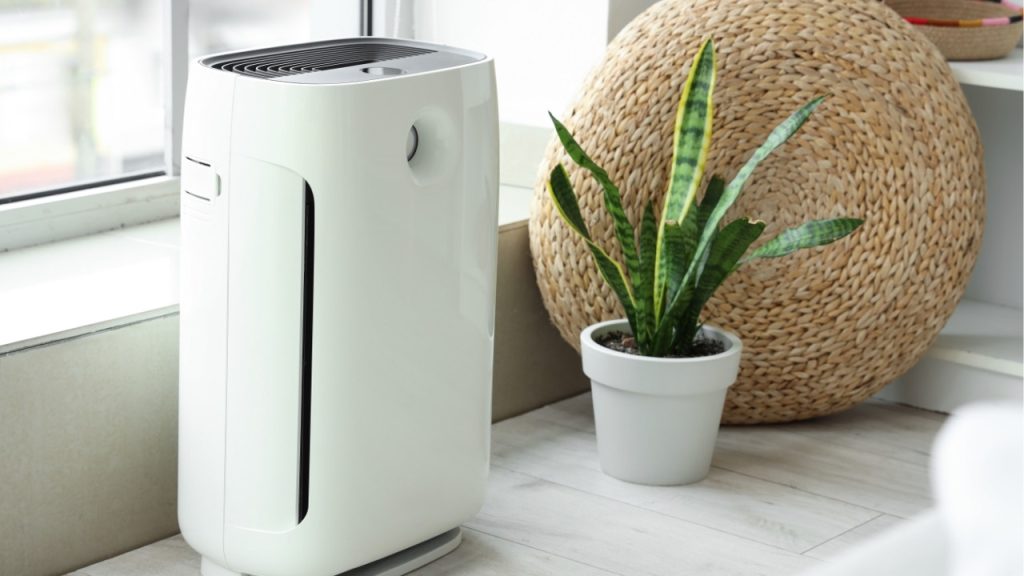
Place the dehumidifier in the most humid area of the room, such as a basement, bathroom, or laundry area. For best performance, keep it away from walls, curtains, and furniture so air can circulate freely. A good rule is to leave at least 6 to 12 inches of space around the unit.
If you are using a portable dehumidifier, set it on a flat, level surface. This helps the water collection system work properly and prevents noise or vibration.
2. Set the Humidity Level
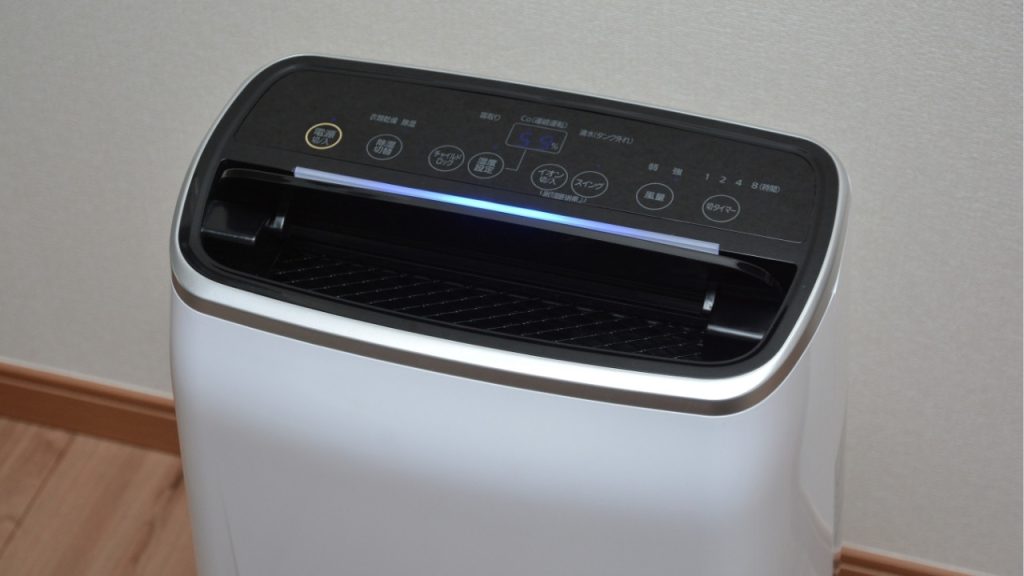
Most dehumidifiers have a built-in humidistat that lets you choose your desired humidity level. If you are wondering how to set a dehumidifier for everyday use, start with 45% humidity.
If your home feels very damp, you can begin at 50% and lower it gradually. In especially moist spaces like basements, some users prefer setting it between 40% and 45%. Avoid setting it too low, since air that is too dry can cause discomfort and waste energy.
3. Select the Fan Speed
Many models offer low, medium, or high fan settings. High fan speed removes moisture faster and is useful when you first start the unit or after heavy rain. Low speed is quieter and often better for long-term daily use.
If you want energy efficiency, use the lowest fan speed that still keeps humidity at the right level.
4. Choose the Drain Option
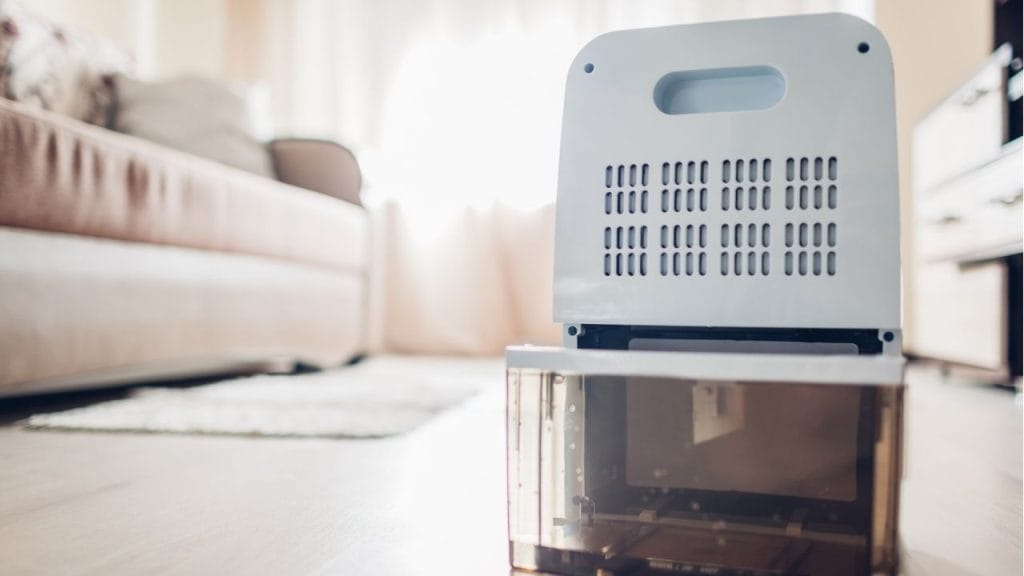
You can either empty the water tank manually or use a continuous drain hose, depending on your model.
If you plan to run the dehumidifier often, a continuous drain is usually more convenient. Just make sure the hose is properly connected and slopes downward so water can flow out naturally. If using the bucket, check it regularly to prevent overflow.
5. Set the Operating Mode
Many modern dehumidifiers come with different modes such as auto, sleep, or continuous mode.
Auto mode is the best choice for most homes because the machine turns on and off to maintain your desired humidity. Continuous mode is useful in very damp spaces or during cleanup after water damage. Sleep mode can reduce noise at night while still controlling moisture.
How to Tell if Your Dehumidifier Is Set Correctly
Once you know how to set a dehumidifier, monitor the room over the next 24 to 48 hours. The air should feel less sticky, and the humidity reading should gradually move toward your target setting. If the room still feels damp, lower the humidity setting slightly or move the unit to a better location.
A hygrometer can help you track moisture levels more accurately if your dehumidifier does not show a reliable reading.
Helpful Dehumidifier Setup Tips
To improve performance:
- Keep doors and windows closed while the unit runs
- Clean the air filter regularly
- Empty or inspect the water tank as needed
- Use the right-sized dehumidifier for the room
- Check for leaks or excess moisture sources in the home
Conclusion
Knowing how to set a dehumidifier the right way helps you maintain a healthier, more comfortable home. Start with the right location, set humidity around 45%, choose the proper fan speed and drain option, and adjust as needed based on room conditions. With the right setup, your dehumidifier can work efficiently and keep excess moisture under control year-round.