Did you know that a ceiling fan can help you feel warmer in winter by improving how heat circulates in your home? Many homeowners overlook this simple setting change, but knowing how to set ceiling fan for winter can make a noticeable difference in comfort and energy use. With just a quick adjustment, you can help push warm air that rises to the ceiling back down into the living space, making rooms feel cozier without turning up the thermostat.
How to Set Ceiling Fan for Winter
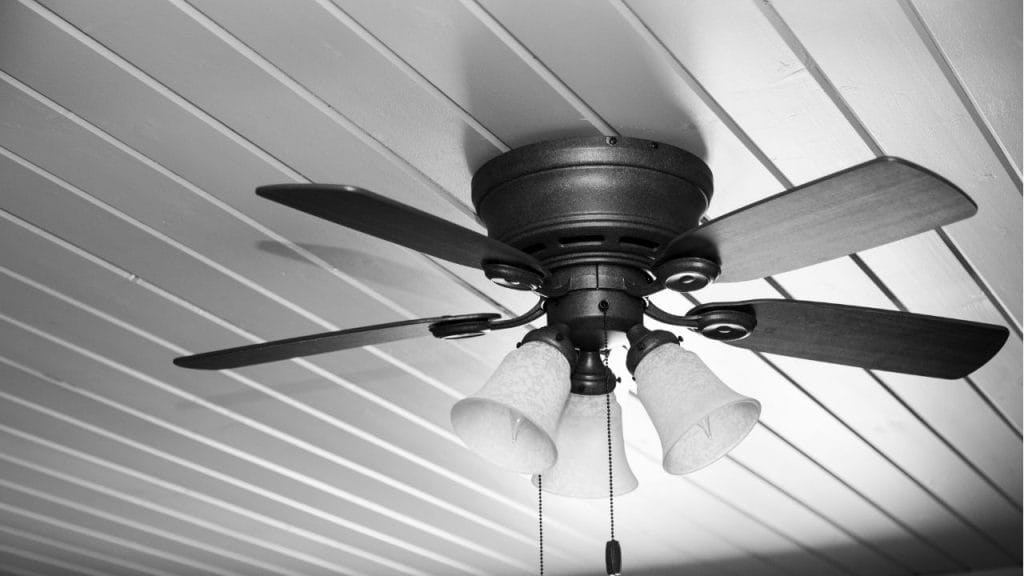
The key to winter ceiling fan use is changing the blade direction. In winter, your ceiling fan should spin clockwise when viewed from below. This creates a gentle updraft that pulls cooler air upward and pushes the warm air near the ceiling down along the walls.
Most fans have a small reverse switch on the motor housing. Turn off the fan completely before adjusting it. Once the switch is changed, turn the fan back on at a low speed. A slow clockwise rotation is ideal for winter because it helps circulate warm air without creating a draft.
Why Ceiling Fan Direction Matters in Winter
Warm air naturally rises, which means the heat from your furnace or fireplace often collects near the ceiling. If the fan is set correctly, it helps redistribute that trapped warmth throughout the room.
This can make a room feel more evenly heated, especially in spaces with high ceilings or poor air circulation. Using your fan this way may also reduce the need to keep the thermostat higher than necessary, which can support lower energy bills during cold months.
Step-by-Step Guide to Reverse a Ceiling Fan
1. Turn Off the Fan
Always switch off the fan before making any changes. This helps prevent damage and keeps the process safe.
2. Find the Direction Switch
Look for a small slide switch on the fan motor housing. On many models, it is located near the light fixture or on the side of the motor.
3. Set It to Clockwise
Move the switch so the blades will spin clockwise in winter mode. If your fan has a remote or smart control, check the manual because some models reverse direction through the control system instead of a physical switch.
4. Use a Low Speed
Once the fan is running in the correct direction, keep it on low. In winter, you want air circulation, not a breeze. A gentle setting is enough to improve comfort.
Best Ceiling Fan Settings for Winter
If you are wondering how to use a ceiling fan in winter effectively, speed matters just as much as direction. Low speed is best because high speed can create a cooling effect, which is the opposite of what you want in cold weather.
For rooms like bedrooms, living rooms, and offices, start with the lowest setting and see how the room feels. You may notice the space warms more evenly within a short time.
When to Use Your Fan in Winter
Ceiling fans are especially useful during the winter in rooms with uneven temperatures, vaulted ceilings, or areas where heat collects overhead. You can run the fan during the day while the heating system is on, then turn it off if the room starts feeling too dry or if the air movement becomes noticeable.
Final Tips for Winter Ceiling Fan Use
Make sure your fan blades are clean before using the winter setting. Dust buildup can reduce performance. Also, if your fan has a light fixture, consider using warm-toned bulbs to create a cozier feel.
Learning how to set ceiling fan for winter is a simple home improvement step that can improve comfort and help your heating system work more efficiently. With the fan spinning clockwise on low speed, you can enjoy better air circulation and a warmer-feeling room all season long.