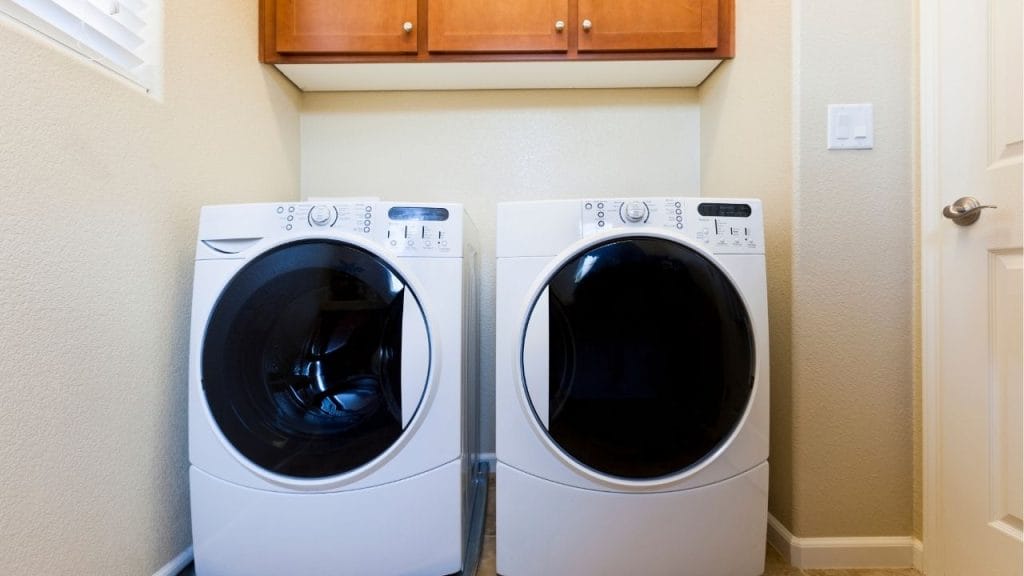
Have you ever pulled a favorite shirt out of the laundry only to realize it is suddenly a better fit? Learning how to shrink clothes in washer and dryer can help when you need to slightly reduce the size of cotton, denim, wool, or other natural fabrics. The key is knowing which materials respond to heat, water, and agitation, and which ones can be permanently damaged.
How to Shrink Clothes in Washer and Dryer
If you are trying to shrink clothes in washer and dryer, start by checking the fabric care label. Natural fibers like cotton, wool, and denim are the easiest to shrink because they react to hot water and high heat. Synthetic fabrics such as polyester, spandex, and nylon are much harder to shrink and may melt, warp, or lose shape.
Step 1: Wash in Hot Water
Use the hottest water setting that is safe for the fabric. Hot water relaxes the fibers and begins the shrinking process. If the item is washable, place it in the washer alone or with similar colors. Avoid using cold water if your goal is to shrink clothes, because it will not have the same effect.
Step 2: Use a Normal or Heavy-Duty Cycle
A regular or heavy-duty cycle adds movement and friction, which helps tighten the fibers. For stronger shrinkage, choose a longer cycle. However, be careful with delicate fabrics, since too much agitation can stretch or damage them.
Step 3: Dry on High Heat
The dryer is where most of the shrinking happens. Transfer the damp clothing immediately into the dryer and use the highest heat setting recommended for the material. High heat causes the fibers to contract, especially in cotton and wool. Check the garment every 10 to 15 minutes if you want more control over the final size.
Best Fabrics to Shrink
Cotton
Cotton is one of the easiest fabrics to shrink in the washer and dryer. T-shirts, sweatshirts, jeans, and socks often shrink noticeably with hot water and high dryer heat.
Wool
Wool can shrink quickly, especially in hot water and when exposed to tumble drying. Be cautious, because wool can also felt and become stiff if overprocessed.
Denim
Denim jeans and jackets can shrink, but results vary depending on how much synthetic fiber is blended into the fabric.
Fabrics That Do Not Shrink Well
Polyester and Blends
Polyester resists shrinking because it is a synthetic fiber. If the garment has a cotton-poly blend, it may shrink a little, but not as much as 100 percent cotton.
Spandex and Nylon
These materials are heat-sensitive and can lose elasticity instead of shrinking evenly. High heat may damage the fabric and ruin the fit.
Tips for Better Results
Shrink Gradually
If you only need a small size change, wash and dry the garment once, then check the fit before repeating the process. This helps prevent over-shrinking.
Read Care Labels
Some clothes are labeled as pre-shrunk, which means they may not respond much to hot wash and dryer settings. Others may be dry clean only and should not be shrunk at home.
Test on One Item First
If you are unsure how a fabric will react, test the process on an older garment first. This can help you avoid damaging a newer or more valuable piece.
When Not to Shrink Clothes
Do not try to shrink clothes in washer and dryer if the item is made from silk, rayon, leather, or has special embellishments like sequins, embroidery, or adhesive prints. These materials can distort or break down under heat and moisture.
Final Thoughts
Knowing how to shrink clothes in washer and dryer is useful when you need a quick size adjustment at home. The process works best on natural fibers, especially cotton and wool, and depends on a combination of hot water, agitation, and high dryer heat. Always check the fabric label first, shrink gradually, and monitor the garment closely to get the right fit without causing damage.