Have you ever pulled a favorite shirt out of the washer only to realize it is a size too big? Knowing how to shrink clothes in washing machine can help you fix loose-fitting garments quickly and safely, but it is important to understand which fabrics respond well and which ones can be damaged. If you want better control over clothing fit, the right washing and drying method can make a real difference.
How Shrinking Clothes in the Washing Machine Works
When people ask how to shrink clothes in washing machine, the basic idea is simple. Heat, agitation, and moisture cause certain fibers to tighten and contract. Natural fabrics like cotton, wool, and linen shrink more easily than synthetic materials such as polyester or nylon.
The key is to use the right water temperature, cycle, and drying method. Too much heat can over-shrink clothes or weaken the fabric, so it is best to shrink items gradually instead of all at once.
Best Fabrics for Shrinking
Cotton Clothes
Cotton is one of the easiest fabrics to shrink. T-shirts, jeans, hoodies, and socks made from cotton often respond well to hot water and high heat drying.
Wool and Cashmere
Wool can shrink quickly, but it can also felt and lose its softness if handled too aggressively. Cashmere is even more delicate, so use extra caution.
Linen
Linen can shrink, but it may wrinkle heavily during the process. It usually needs a careful wash and dry cycle to avoid damage.
Synthetic Fabrics
Polyester, spandex, and other synthetic blends are much harder to shrink. In many cases, they will not change much in a standard washing machine cycle.
How to Shrink Clothes in Washing Machine
Step 1: Check the Care Label
Before you start, always read the care tag. If the label says cold wash only, lay flat to dry, or dry clean only, shrinking may damage the item.
Step 2: Wash in Hot Water
Use the hottest water setting that the fabric can safely handle. Hot water helps fibers contract more effectively, especially in cotton clothing.
Step 3: Use a Regular or Heavy-Duty Cycle
A standard or heavy-duty wash cycle creates more agitation, which can help loosen and tighten fibers in the right way for shrinking.
Step 4: Dry on High Heat
The dryer is often where the most shrinkage happens. After washing, place the item in the dryer on high heat. Check it often so you do not shrink it too much.
Step 5: Repeat if Needed
If the garment is still too large, repeat the process. It is better to shrink clothing in small steps than to overdo it in one wash.
Tips for Safe Shrinking
Test One Item First
If you are shrinking multiple pieces, start with one garment. This helps you judge how the fabric reacts before shrinking the rest.
Avoid Over-Shrinking
Once clothing shrinks, it is hard to stretch it back out. Check the size after each wash and dry cycle.
Do Not Mix Delicate Items
Keep delicate fabrics separate from heavier garments. Towels, jeans, and sweatshirts can be rough on lighter clothes during the wash.
Use a Quality Washer and Dryer
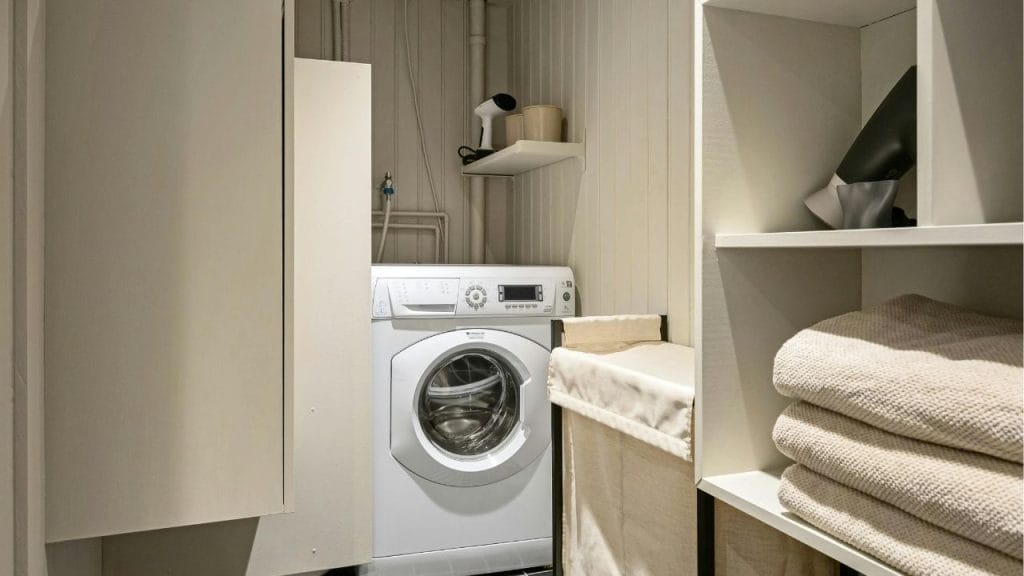
A washer with adjustable temperature settings and a dryer with precise heat control gives you better results when trying to shrink clothes in washing machine cycles.
When Not to Shrink Clothes
Do not try to shrink clothes that contain a lot of synthetic fiber, detailed embellishments, or delicate construction. Structured jackets, formalwear, and items with elastic waistbands may lose shape or become damaged. If you are unsure, it is safer to have clothing altered by a tailor.
Final Thoughts
Learning how to shrink clothes in washing machine can save garments that are slightly too large and help you get a better fit without a trip to the tailor. The best results come from understanding the fabric, using hot water, and drying with care. For cotton and other shrinkable materials, a controlled approach is the smartest way to improve fit while protecting your clothes.