Have you ever wondered why your air conditioner is running but not cooling your home properly? In many cases, the issue may be a faulty contactor. If you want to know how to test air conditioner contactor safely and accurately, this step-by-step guide will help you diagnose the problem before calling a technician. Understanding how to check an AC contactor can save time, prevent unnecessary replacement, and help you keep your cooling system in better shape.
What Is an Air Conditioner Contactor?
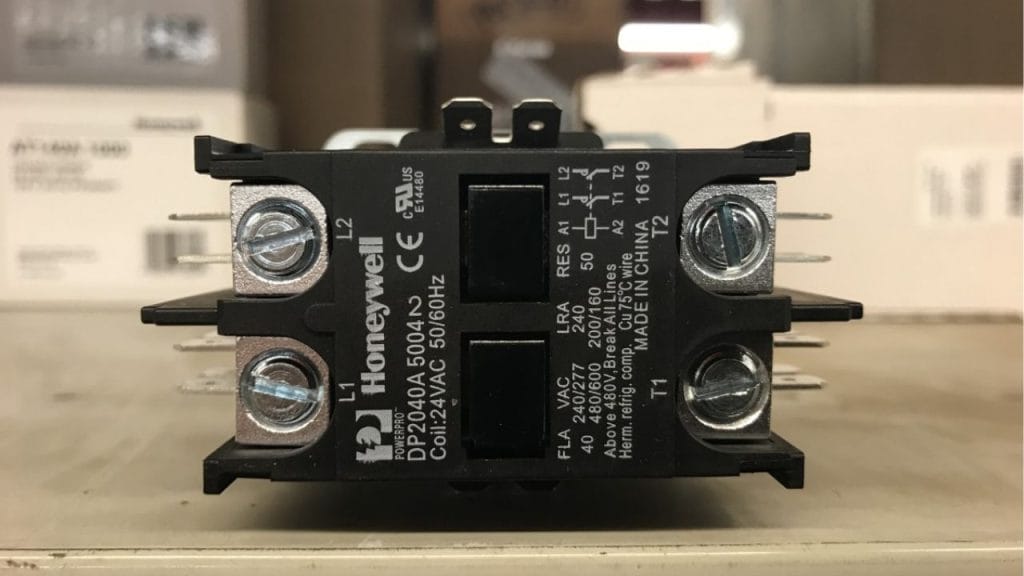
An air conditioner contactor is an electrical switch that controls power flow to the outdoor unit. When your thermostat calls for cooling, the contactor pulls in and allows electricity to reach the compressor and condenser fan. If the contactor is worn, stuck, or burnt, your AC may not turn on or may cycle incorrectly.
Knowing how to test an AC contactor is useful because this small component plays a big role in your system’s operation.
Signs of a Bad AC Contactor
Before you test the contactor, look for common warning signs, such as:
- AC outdoor unit not turning on
- Buzzing or humming sounds from the condenser
- Contacts that appear burnt, pitted, or blackened
- Unit turning on and off repeatedly
- Cooling issues even when the thermostat is set correctly
These symptoms often point to a defective contactor, but testing confirms the issue.
Tools You Need
To test an air conditioner contactor, gather these tools first:
- Multimeter
- Insulated screwdriver
- Flashlight
- Safety gloves
- Thermostat set to cooling mode
Always turn off power before opening the outdoor unit. If you are not comfortable working with electrical components, contact a licensed HVAC technician.
How to Test Air Conditioner Contactor Step by Step
Step 1: Turn Off Power to the AC Unit
Before touching anything, shut off power at the thermostat and the outdoor disconnect switch. For added safety, switch off the circuit breaker as well. This step is important because AC contactors carry high-voltage electricity.
Step 2: Open the Outdoor Unit
Remove the access panel on the condenser unit. Use a flashlight to locate the contactor, which is usually found near the electrical control compartment. It has wires connected to both the low-voltage coil and the high-voltage load terminals.
Step 3: Inspect the Contactor Visually
Look for signs of damage like:
- Burn marks
- Corrosion
- Melted plastic
- Loose or broken wiring
- Pitted contact points
If the contactor looks badly damaged, replacement is often the best solution.
Step 4: Test the Coil for Continuity
Set your multimeter to the continuity or resistance setting. Place the probes on the two low-voltage terminals of the contactor coil. A good coil should show a resistance reading, while an open circuit may indicate a failed coil.
If your meter shows no continuity, the contactor is likely bad.
Step 5: Check the High-Voltage Contacts
With the power still off, test the main contacts. When the contactor is not energized, the contacts should remain open. If they are stuck closed, the AC may run continuously. If they are heavily worn or pitted, they may not make proper contact when energized.
Step 6: Apply Low-Voltage Power if Needed
If you are trained to do so safely, restore power and call for cooling from the thermostat. The contactor should pull in with a firm click. If it does not engage, but the thermostat is sending a signal, the contactor coil may be defective.
Never attempt this step unless you are confident and follow all safety precautions.
When to Replace the Contactor
Replace the air conditioner contactor if it is burnt, physically damaged, stuck open, or stuck closed. In many cases, replacement is more cost-effective than repair. A new contactor can restore proper operation and help your AC system run more efficiently.
Final Thoughts
Learning how to test air conditioner contactor is a smart way to troubleshoot common AC problems. By checking for visible damage, testing continuity, and confirming proper operation, you can identify whether the contactor is the source of the issue. If the test results are unclear or you are unsure about electrical work, call an HVAC professional for a safe and accurate repair.