Is your air conditioner running, but the airflow feels weak or the outdoor fan is not spinning at all? That is often a sign the fan motor may be failing. Knowing how to test air conditioner fan motor can help you quickly diagnose the problem before calling a technician or replacing a major part. With the right tools and a few safety precautions, you can check whether the fan motor is getting power, overheating, or no longer functioning properly.
Why Testing the AC Fan Motor Matters
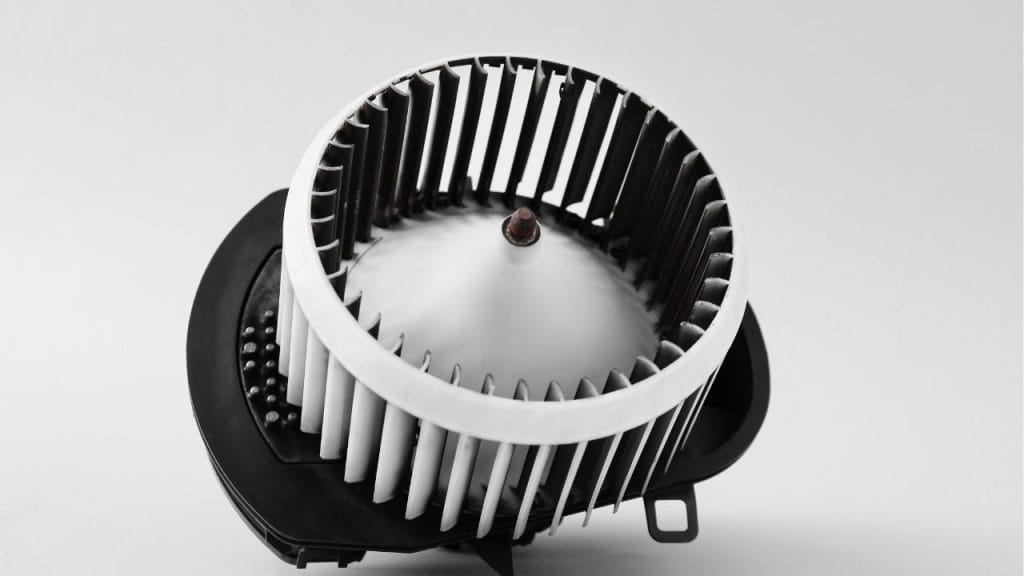
The fan motor is essential for moving air across the evaporator or condenser coil. If it fails, your AC may overheat, blow warm air, trip the breaker, or shut down completely. Learning how to test an air conditioner fan motor can save time, reduce repair costs, and help you decide whether the issue is the motor, capacitor, wiring, or control board.
Safety First Before You Begin
Before checking the fan motor, always turn off power to the air conditioner at the thermostat and breaker panel. AC units carry high voltage, and even a simple inspection can be dangerous if power is still connected.
Tools You May Need
You will usually need:
- A multimeter
- Screwdriver
- Insulated gloves
- Needle-nose pliers
- A flashlight
Step 1: Inspect the Fan Motor Visually
Start with a basic visual check. Look for burned wires, corrosion, loose connectors, or a damaged fan blade. If the motor housing looks swollen or has a burnt smell, that is a strong sign of failure. A blocked blade or debris around the fan can also keep the motor from spinning.
Step 2: Check If the Fan Blade Spins Freely
With the power off, gently try to turn the fan blade by hand. It should move smoothly. If it feels stiff, noisy, or jammed, the motor bearings may be worn out. A motor that cannot spin freely often struggles to start and may need replacement.
Step 3: Test the Capacitor
A bad capacitor is one of the most common reasons an AC fan motor stops working. Many homeowners think the motor is bad when the capacitor is the real issue.
Use a multimeter with capacitance mode to test the capacitor if possible. Compare the reading to the label rating. If the reading is far below the rated value or the capacitor is bulging or leaking, replace it. A weak capacitor can prevent the fan motor from starting even if the motor itself is still good.
Step 4: Test the Fan Motor for Continuity
To test air conditioner fan motor windings, disconnect the motor wires from the circuit. Set your multimeter to ohms and check continuity between the motor terminals.
You are looking for:
- A reading that shows continuity through the windings
- No short to ground between each terminal and the motor frame
If the meter shows an open circuit, the winding may be broken. If it shows a short to ground, the motor is likely defective and unsafe to use.
Step 5: Measure Voltage at the Motor
If the motor has continuity but still does not run, check whether it is receiving proper voltage. Restore power carefully and measure voltage at the motor terminals using your multimeter.
If the voltage is present but the motor does not start, the motor may be seized or internally damaged. If there is no voltage, the issue may be with the thermostat, relay, contactor, wiring, or control board instead of the motor.
Step 6: Listen and Observe During Operation
If the AC unit starts, listen closely to the fan motor. Humming, grinding, buzzing, or slow startup often points to a failing motor or weak capacitor. A healthy motor should start smoothly and run quietly.
When to Replace the Fan Motor
Replace the motor if it:
- Fails continuity testing
- Has a short to ground
- Overheats repeatedly
- Runs slowly despite a good capacitor
- Makes loud grinding noises
- Will not start with proper voltage
Final Thoughts
Learning how to test air conditioner fan motor problems is a practical way to troubleshoot common AC failures. By checking the fan blade, capacitor, continuity, and voltage, you can narrow down the cause and avoid unnecessary repairs. If the motor tests bad or you are unsure about electrical work, contact a licensed HVAC technician for safe replacement and professional diagnosis.