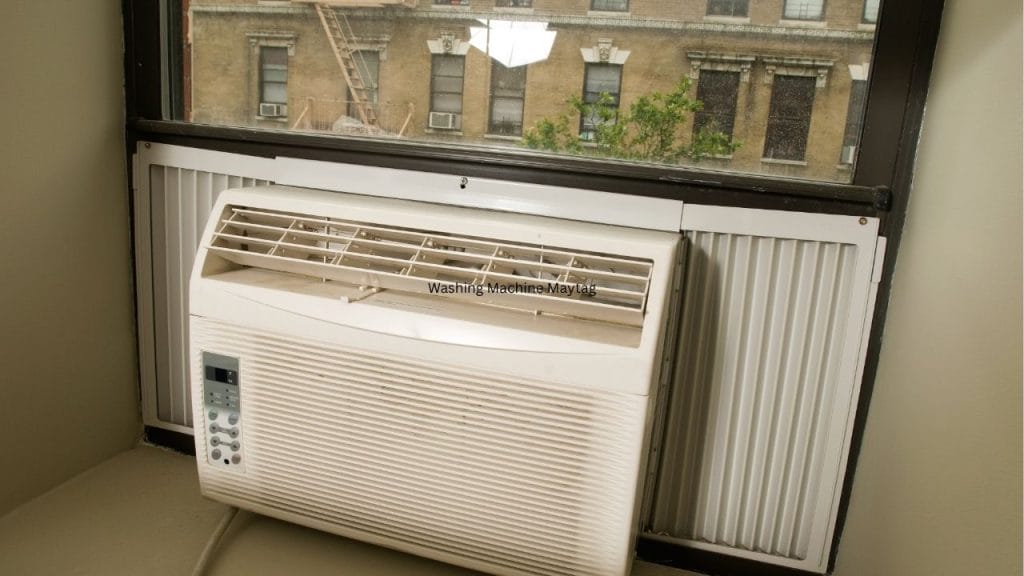
Did you know that a window air conditioner installed at the wrong angle can cause water leaks, poor cooling, and even shorten the unit’s lifespan? If you are wondering how to tilt window air conditioner the right way, the good news is that the process is simple and can make a big difference in performance. A proper tilt helps condensation drain outside, keeps your window AC running efficiently, and reduces the risk of indoor water damage.
Why Proper Window Air Conditioner Tilt Matters
A window air conditioner creates condensation as it cools warm air. That moisture must drain away from the unit, and the best way to do that is by angling the back of the AC slightly downward toward the outside. If the unit is level or tilted inward, water may collect inside and leak into your room.
The correct window AC tilt also helps prevent mold, mildew, and internal damage. For most models, a slight slope is enough to guide water to the drain pan and out the rear of the unit.
How to Tilt Window Air Conditioner the Right Way
The ideal slope is usually about 1/4 to 1/2 inch lower in the back than in the front. This is enough to encourage proper drainage without putting too much stress on the frame or compressor.
Step 1: Check the manufacturer instructions
Before installing or adjusting your unit, review the manual. Some window air conditioner models are designed to sit nearly level, while others require a more noticeable tilt for proper drainage.
Step 2: Measure the angle
Use a level or measuring tape to check the unit’s position. Place the level on top of the air conditioner and look at the bubble. If needed, raise the front slightly with the mounting brackets or lower the back support a bit more.
Step 3: Secure the AC properly
Make sure the air conditioner is firmly supported by the window sash, side brackets, or included installation kit. The unit should not wobble or shift when the window is closed. Proper support is important for both safety and performance.
Step 4: Test for drainage
After installation, run the AC for a while and check the outside side of the unit for water dripping. This is a sign that condensation is draining correctly. If you see water leaking inside, recheck the tilt and mounting.
Common Mistakes to Avoid
One of the biggest mistakes is tilting the air conditioner too far downward. A steep angle can strain the unit, reduce stability, and affect how the compressor operates. Another mistake is installing the AC completely flat, which can trap water and lead to indoor leaks.
Also avoid using makeshift support like loose wood blocks or unstable objects. Always use safe, sturdy materials designed to hold the weight of the window air conditioner.
Signs Your Window AC Tilt Needs Adjustment
If your unit has indoor water dripping, unusual vibration, or poor drainage, the tilt may be off. You may also notice musty odors or moisture around the window frame. These are clear signs that your window air conditioner needs a better angle.
Final Tips for Better Performance
When learning how to tilt window air conditioner units, remember that a small adjustment can go a long way. Keep the slope slight, ensure the unit is secure, and follow the manufacturer’s guidelines. With the right window AC installation angle, you can improve cooling efficiency, prevent leaks, and extend the life of your appliance.