Have you ever wondered what to do when your washing machine starts leaking or needs maintenance? Knowing how to turn off water supply to washing machine can help you prevent water damage, protect your appliance, and handle repairs with confidence.
Why You May Need to Turn Off the Washer Water Supply
There are several situations where shutting off the water supply to your washing machine is the right move. You may need to stop a leak, replace hoses, move the appliance, or prepare for a repair. If you are leaving home for an extended time, turning off the hot and cold water valves can also reduce the risk of unexpected flooding.
Understanding how to turn off water supply to washing machine is a simple household skill that can save you time, money, and stress.
Locate the Washing Machine Water Valves
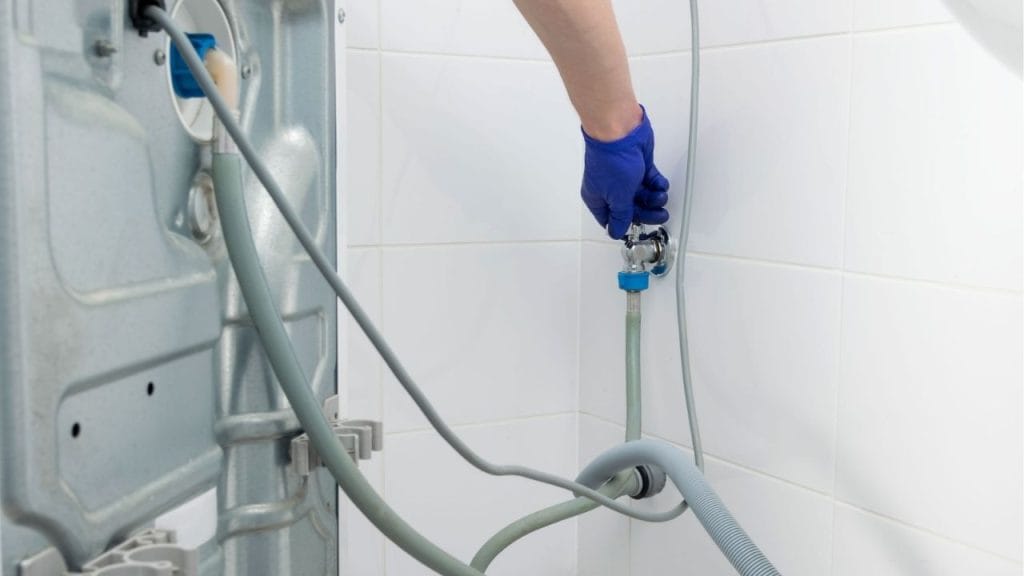
Before you shut off the water, find the supply valves behind or near the washer. Most washing machines have two separate water lines:
Hot Water Valve
This valve controls the hot water line, usually connected to the red-marked hose.
Cold Water Valve
This valve controls the cold water line, usually connected to the blue-marked hose.
In many homes, these valves are wall-mounted near the back of the washing machine. Some older homes may have shutoff valves in a nearby utility closet, basement, or laundry room cabinet.
How to Turn Off Water Supply to Washing Machine
Once you find the valves, follow these steps:
Step 1: Turn Off the Washer
Make sure the washing machine is powered off and not running a cycle. If possible, unplug it for extra safety, especially if you are dealing with a leak.
Step 2: Close Both Water Valves
Turn both the hot and cold water supply valves clockwise until they stop. This usually shuts off the water flow completely. If you have lever-style valves, rotate the handle a quarter turn so it is perpendicular to the pipe.
Step 3: Check That Water Has Stopped
After closing the valves, briefly inspect the hoses and machine connections for signs of water flow. If you are performing maintenance, you may need to run a quick test cycle later to confirm the water supply is fully off.
What to Do If the Valves Are Stuck
Sometimes older valves are hard to turn. If that happens, do not force them too aggressively, since that could damage the valve or pipe.
Try Gentle Pressure
Use slow, steady pressure when turning the knob. If the valve has not been used in a long time, it may need a little extra effort.
Look for a Main Water Shutoff
If the washer valves will not move or are leaking, you may need to shut off the main water supply to the home. This will stop water to the entire house and allow you to safely address the problem.
Call a Plumber if Needed
If a valve is corroded, broken, or leaking, contact a licensed plumber. A damaged shutoff valve should be repaired or replaced as soon as possible.
When to Turn the Water Back On
After your repair, hose replacement, or move is complete, you can restore water by turning the valves counterclockwise. Open them slowly to avoid pressure surges. Then check the hose connections and the back of the machine for leaks.
Helpful Safety Tips
Always inspect washer hoses regularly for cracks, bulges, or loose fittings. Replacing old hoses every few years can help prevent leaks. If you are going away for a long vacation, turning off the washing machine water supply is a smart precaution.
Knowing how to turn off water supply to washing machine is a simple but important home maintenance task. With the right steps, you can protect your laundry area and keep your appliance running safely.