Is your washing machine not draining water properly after a cycle? One of the most common causes is a failing drain pump, and learning how to test a washing machine drain pump can save you time, money, and unnecessary service calls. In this guide, you will learn the basic steps to inspect, diagnose, and test the drain pump safely at home.
What a Washing Machine Drain Pump Does
The drain pump is responsible for pushing water out of the washer tub during the drain and spin cycles. If the pump is clogged, blocked, or electrically damaged, your washer may leave standing water inside, stop mid-cycle, or make unusual buzzing noises. Before replacing the part, it is smart to test the washing machine drain pump to confirm whether it is actually the problem.
Signs of a Bad Drain Pump
Common Symptoms to Watch For
A faulty drain pump often shows clear warning signs, including:
- Water remains in the drum after the cycle ends
- The washer will not spin or drain
- Loud humming, buzzing, or grinding sounds
- Error codes related to drainage
- Burning smell or visible leaks around the pump
If you notice one or more of these issues, it is time to inspect the drain pump and related components.
Tools and Safety First
What You Will Need
Before you begin, gather these items:
- Screwdriver
- Pliers
- Towels or a shallow pan
- Multimeter
- Flashlight
- Work gloves
Important Safety Steps
Unplug the washing machine from the power outlet before opening any panels. If your washer has standing water, be ready for spills when removing hoses or filters. Always work carefully and avoid testing electrical parts while the appliance is connected to power.
How to Test a Washing Machine Drain Pump
Step 1: Check for Clogs and Blockages
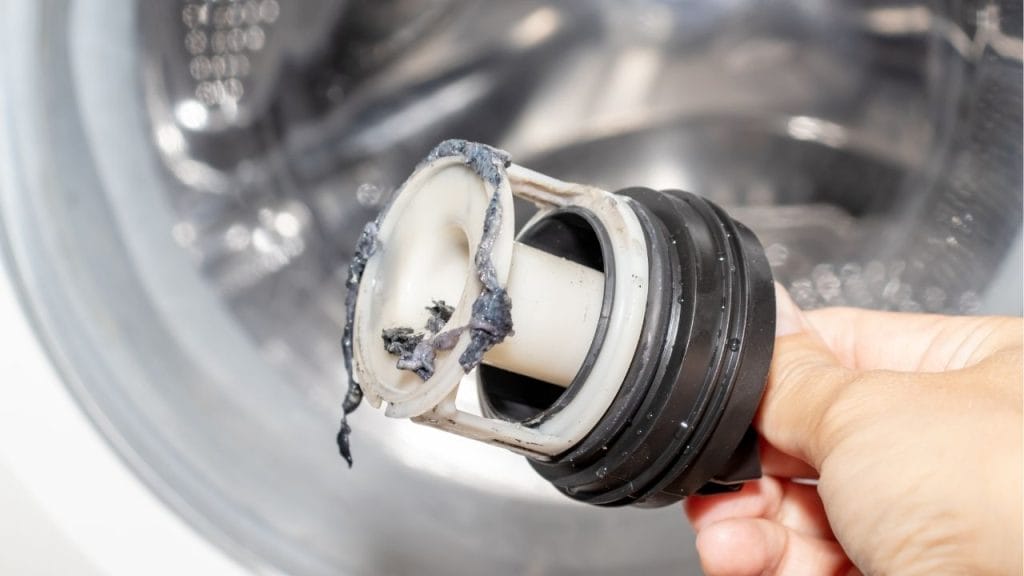
Start with a visual inspection. Remove the pump access panel if your washer has one. Look for lint, coins, socks, hairpins, or debris in the pump filter and hose connections. A clogged drain pump can act like a failed one, so clear any obstruction before moving to electrical testing.
Step 2: Listen During the Drain Cycle
Plug the washer back in and start a drain or spin cycle if it is safe to do so. If the pump hums but water does not drain, the impeller may be stuck or the pump may be weak. If there is no sound at all, the pump may not be receiving power or may have failed internally.
Step 3: Inspect the Pump Impeller
Turn the power back off and reach the pump impeller if accessible. It should spin with light resistance. If the impeller is broken, jammed, or loose, the pump will likely need replacement. A damaged impeller is a common reason a washing machine drain pump stops working.
Step 4: Test the Pump with a Multimeter
Disconnect the pump wiring harness. Set your multimeter to the resistance or ohms setting. Place the probes on the pump terminals. A reading that is far outside the manufacturer’s range, or no reading at all, may mean the pump motor coil is faulty. Check your washer’s service manual for the correct resistance value.
Step 5: Check for Power at the Connector
If the pump itself tests okay, the issue may be with the control board, wiring, or lid switch. With the washer running a drain cycle, use caution and test for voltage at the pump connector only if you are experienced and comfortable working with live circuits. No voltage usually points to an electrical supply problem rather than a bad pump.
When to Replace the Drain Pump
If the pump is clogged but still works after cleaning, you may not need a replacement. However, if the motor coil is open, the impeller is damaged, or the pump repeatedly fails to drain water, replacing the drain pump is often the best solution.
Final Thoughts
Knowing how to test a washing machine drain pump helps you diagnose drainage problems quickly and avoid costly repairs. Start with clogs, listen for unusual sounds, inspect the impeller, and use a multimeter to check the pump’s electrical condition. With these steps, you can determine whether the drain pump needs cleaning, repair, or replacement.