Have you noticed your home staying warmer than usual even when the air conditioner is running nonstop? If so, you may be wondering how to tell if air conditioner is low on freon. While “Freon” is often used as a catch-all term, most modern systems use a refrigerant that helps your AC absorb heat and cool your home efficiently. When refrigerant levels drop, your system can lose performance fast. Here are the most common signs to watch for and what they may mean.
What Does Low Freon Mean in an Air Conditioner?
Low refrigerant usually points to a leak somewhere in the AC system, not normal usage. Refrigerant does not get “used up” like fuel. If your system is low, it typically means there is a problem that needs professional attention. Knowing the warning signs early can help you avoid higher energy bills, poor cooling, and damage to the compressor.
Common Signs Your Air Conditioner Is Low on Freon
Warm Air Coming From the Vents
One of the most obvious signs of low refrigerant is warm or mildly cool air blowing from your vents when the thermostat is set to cool. If the AC is running but your home never feels cold enough, low refrigerant could be the reason.
Ice Building Up on the Evaporator Coil or Refrigerant Line
Ice on your indoor coil or copper refrigerant lines is a major red flag. When refrigerant is too low, pressure inside the system drops and the coils can get too cold, causing moisture to freeze. If you see ice, turn the system off and call a licensed HVAC technician.
Hissing or Bubbling Noises
A hissing sound may indicate refrigerant escaping from a small leak. Bubbling noises can also happen when refrigerant is leaking and air is entering the line. These sounds often mean the problem is active and should be inspected soon.
Higher Energy Bills
If your AC is working harder than usual to cool your home, you may notice a spike in your electricity bill. Low refrigerant forces the system to run longer cycles, which increases energy use and adds strain to the unit.
Longer Cooling Cycles
An air conditioner low on Freon may struggle to reach the set temperature. Instead of cycling on and off normally, it may run almost constantly. This is a common sign that your system is not absorbing and moving heat efficiently.
Weak Airflow or Uneven Cooling
Low refrigerant can make your home feel unevenly cooled. Some rooms may stay stuffy while others feel only slightly comfortable. Although weak airflow can also be caused by dirty filters or duct issues, it is worth checking for refrigerant problems if cooling performance drops suddenly.
What to Do if You Suspect Low Refrigerant
Turn Off the AC if You See Ice
If ice is visible on the coil or refrigerant line, shut the unit off to prevent further damage. Let the ice melt before a technician examines the system.
Call a Licensed HVAC Professional
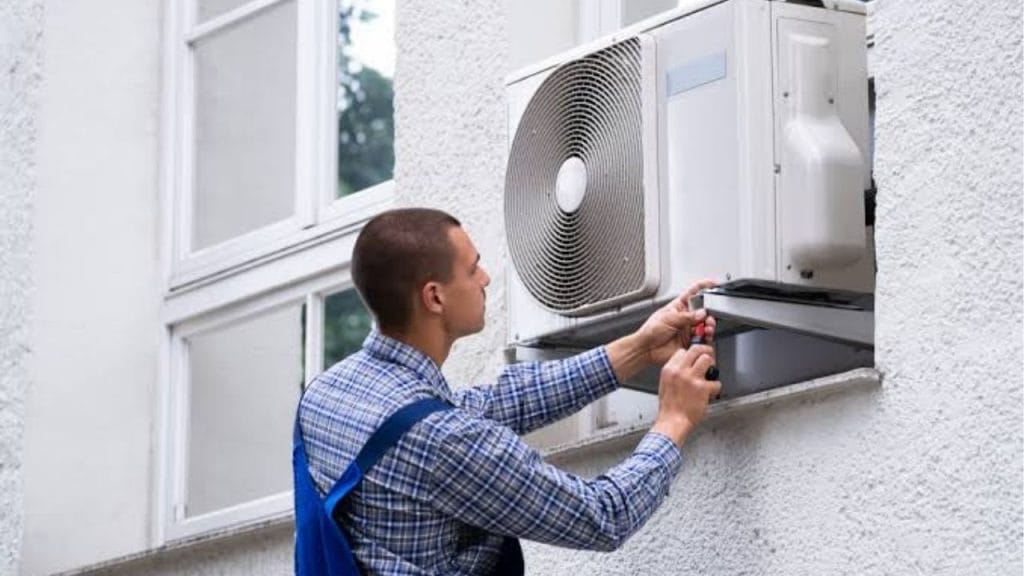
Only a trained technician should diagnose and repair a refrigerant leak. They can test pressure levels, find the source of the leak, repair it, and recharge the system correctly. Handling refrigerant without certification is unsafe and may damage your AC.
Do Not Just Add More Freon
Topping off refrigerant without fixing the leak is a temporary fix at best. The refrigerant will likely escape again, and repeated low levels can harm the compressor and shorten the life of your air conditioner.
How to Prevent Refrigerant Problems
Schedule Regular AC Maintenance
Routine maintenance can help catch small leaks before they become major issues. During a tune-up, an HVAC pro can inspect coils, refrigerant lines, electrical parts, and overall system performance.
Replace Air Filters on Time
Dirty filters can restrict airflow and make your AC work harder. While they do not cause low refrigerant, they can worsen cooling problems and make it harder to tell what is really wrong.
Final Thoughts
If you have been asking how to tell if air conditioner is low on freon, the biggest clues are warm air, ice on the lines, hissing sounds, long run times, and rising energy bills. Since low refrigerant usually means there is a leak, the best solution is to call an HVAC professional as soon as possible. Acting early can help protect your comfort, reduce repair costs, and extend the life of your air conditioner.