Is your air conditioner running, but your home still feels warm and uncomfortable? That is one of the most common clues that the compressor may not be doing its job. If you are trying to figure out how to tell if air conditioner compressor is working, there are several simple signs you can check before calling a technician. Knowing what to look for can help you spot compressor problems early and avoid bigger repair costs.
What the Air Conditioner Compressor Does
The compressor is often called the heart of the AC system. Its job is to pressurize refrigerant and move it through the coils so your air conditioner can remove heat from inside your home. When the compressor is working properly, the system can cool efficiently and keep a steady flow of cold air coming from the vents.
How to Tell if Air Conditioner Compressor Is Working
If you want to know how to tell if air conditioner compressor is working, start by checking for cooling performance, sound, and outdoor unit activity. A healthy compressor usually creates noticeable changes in temperature and system operation.
Cool Air Coming from the Vents
One of the clearest signs is cold air indoors. If the thermostat is set correctly and the fan is running, your supply vents should blow cool air within a few minutes. If the air feels room temperature or warm, the compressor may not be starting or may be failing to compress refrigerant properly.
Outdoor Unit Is Running
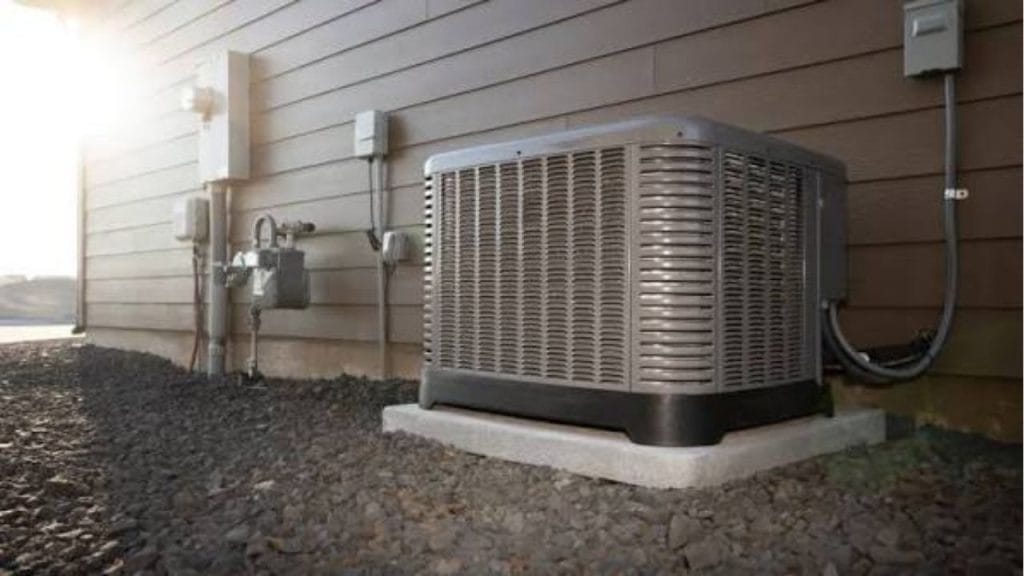
Go outside and listen to the condenser unit. When the compressor is active, you should hear a low humming or steady operating sound from the outdoor unit. You may also feel warm air being pushed out from the top or sides of the unit. If the fan spins but the system does not cool, the compressor may be off even though the outdoor fan is working.
Blower and Fan Are Operating Normally
Inside the home, the blower fan should continue running as the AC cycle starts. At the same time, the outdoor unit should engage. If the indoor fan runs but the outside unit stays silent, the compressor may not be receiving power or may have an internal issue.
Gentle Vibration from the Outdoor Unit
A working compressor often causes a light vibration in the outdoor cabinet. This is normal and can be felt when the system is on. No vibration at all, especially when the thermostat is calling for cooling, can indicate the compressor is not starting.
Signs the Compressor May Be Failing
A compressor that is struggling usually shows warning signs before it stops completely. Watch for these common air conditioner compressor problems:
Short Cycling
If the AC turns on and off frequently without properly cooling the home, the compressor may be overheating or failing to maintain pressure.
Loud or Unusual Noises
Buzzing, rattling, clanking, or clicking from the outdoor unit can point to electrical problems, damaged parts, or a locked compressor.
Warm Air and High Energy Bills
When the compressor cannot circulate refrigerant efficiently, your system works harder but cools less. This often leads to warm air from the vents and rising utility bills.
Tripped Breakers or Shutdowns
A compressor that draws too much power may trip the breaker or prevent the unit from starting at all. Repeated electrical issues should be checked by a professional.
Simple Checks You Can Do
Before assuming the compressor is bad, confirm the thermostat is set to cool and the temperature is below the current room temperature. Check the air filter and make sure the outdoor unit is clear of debris. A clogged filter or blocked condenser can make the system seem weaker than it really is.
When to Call an HVAC Technician
If you have checked the thermostat, filter, and outdoor unit but still cannot tell how to tell if air conditioner compressor is working, it is time to call an HVAC professional. Compressor repairs involve electrical components and refrigerant, which should only be handled by trained technicians. A pro can test pressure, inspect wiring, and determine whether the compressor needs repair or replacement.
Final Thoughts
Learning how to tell if air conditioner compressor is working can save time, money, and discomfort during hot weather. Look for cold air, outdoor unit activity, normal vibration, and steady cooling performance. If you notice weak airflow, strange noises, or repeated shutdowns, the compressor may be failing and should be inspected as soon as possible.