Have you noticed your air conditioner struggling to start, blowing warm air, or shutting off unexpectedly on hot days? These are often early warning signs that the capacitor may be failing. If you are wondering how to tell if air conditioner capacitor is bad, understanding the symptoms can help you catch the problem before it leads to a bigger and more expensive AC repair.
What an Air Conditioner Capacitor Does
An air conditioner capacitor is a small but essential part that helps start and keep your system running. It stores and releases electrical energy to power the compressor, fan motor, or both, depending on the type of capacitor in your unit.
When a capacitor weakens or fails, your AC may not get the boost it needs to operate correctly. That can cause startup problems, poor cooling, and even total system shutdown.
How to Tell if Air Conditioner Capacitor Is Bad
If you are trying to figure out how to tell if air conditioner capacitor is bad, look for these common signs.
1. The AC Takes Too Long to Start
One of the first signs of a bad capacitor is delayed startup. If your air conditioner hesitates before turning on, or if you hear a humming noise before the system starts, the capacitor may be struggling to send power to the motor.
2. The AC Does Not Start at All
A completely dead system can point to a failed capacitor. When the capacitor cannot deliver the electrical boost needed to start the compressor or fan, the unit may not turn on even though the thermostat is set correctly.
3. Warm Air Comes from the Vents
If the indoor fan runs but the air coming out of your vents is warm, the compressor may not be starting properly. A bad capacitor can prevent the compressor from engaging, which means your AC cannot cool the air.
4. The Outdoor Unit Makes a Humming Sound
A humming noise from the outdoor condenser unit often means the motor is trying to start but cannot. This is a common symptom of a bad AC capacitor, especially if the fan blades are not spinning.
5. The Fan Is Slow or Not Spinning
If the outdoor fan is moving slowly, stopping unexpectedly, or not spinning at all, the fan capacitor may be failing. Since the fan helps release heat from the system, poor fan performance can cause the AC to overheat.
6. Higher Energy Bills
A failing capacitor can make your air conditioner work harder than normal. If the system runs longer cycles or struggles to maintain temperature, you may notice an unexplained increase in your electric bill.
7. The Capacitor Looks Bulged or Leaking
Visual damage is another sign of capacitor failure. A bad capacitor may appear swollen, cracked, or leaking fluid. If you inspect the unit and notice any of these issues, the part likely needs replacement.
How to Check an AC Capacitor Safely
Before checking anything, turn off power to the air conditioner at the thermostat and breaker box. Capacitors can store electricity even after the unit is off, so they should be handled carefully.
If you are comfortable and experienced, you can inspect the capacitor for visible damage. However, testing it with a multimeter or replacing it is best left to a licensed HVAC technician unless you have the right tools and training.
When to Call an HVAC Professional
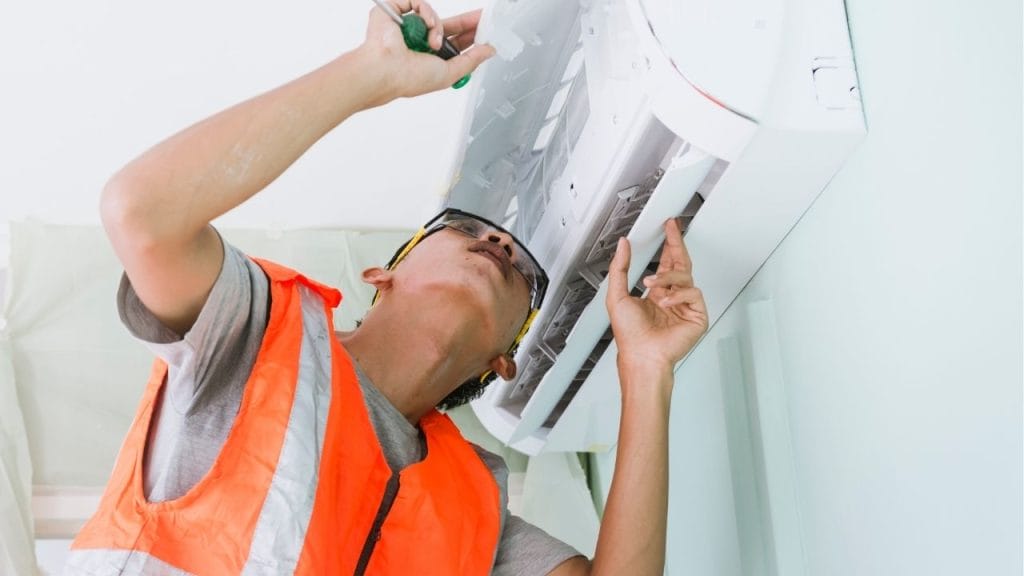
Call a professional if your AC will not start, if you hear buzzing or humming, or if you see a swollen capacitor. A certified technician can test the capacitor, check the compressor and fan motor, and replace the part if needed.
Final Thoughts
Knowing how to tell if air conditioner capacitor is bad can save you time, money, and discomfort during peak cooling season. Watch for startup issues, weak airflow, humming sounds, warm air, and visible damage. If you spot these warning signs, schedule AC service quickly before a small capacitor issue turns into a larger system failure.