Have you noticed your air conditioner running but your home still feels warm? If so, the problem may be more serious than a dirty filter or low refrigerant. One of the most important parts of your cooling system is the compressor, and when it starts to fail, your AC can lose its ability to cool efficiently or stop working altogether. Knowing how to tell if air conditioner compressor is bad can help you act quickly, avoid expensive damage, and decide whether you need a repair or full replacement.
What Does an Air Conditioner Compressor Do?
The compressor is often called the heart of your air conditioner. It pressurizes the refrigerant and moves it through the system so your AC can remove heat from your home. When the compressor is working properly, you get steady cooling, balanced airflow, and normal energy use. When it fails, the whole system struggles.
Common Signs Your AC Compressor Is Bad
Warm Air Coming From Vents
If your thermostat is set to cool but the air coming out feels warm or only slightly cool, the compressor may not be pumping refrigerant correctly. This is one of the most common bad AC compressor symptoms homeowners notice first.
Weak Airflow and Poor Cooling
A failing compressor can cause your system to run without producing enough cold air. You may feel weak airflow from the vents, uneven temperatures in different rooms, or a home that never reaches the set temperature.
Strange Noises From the Outdoor Unit
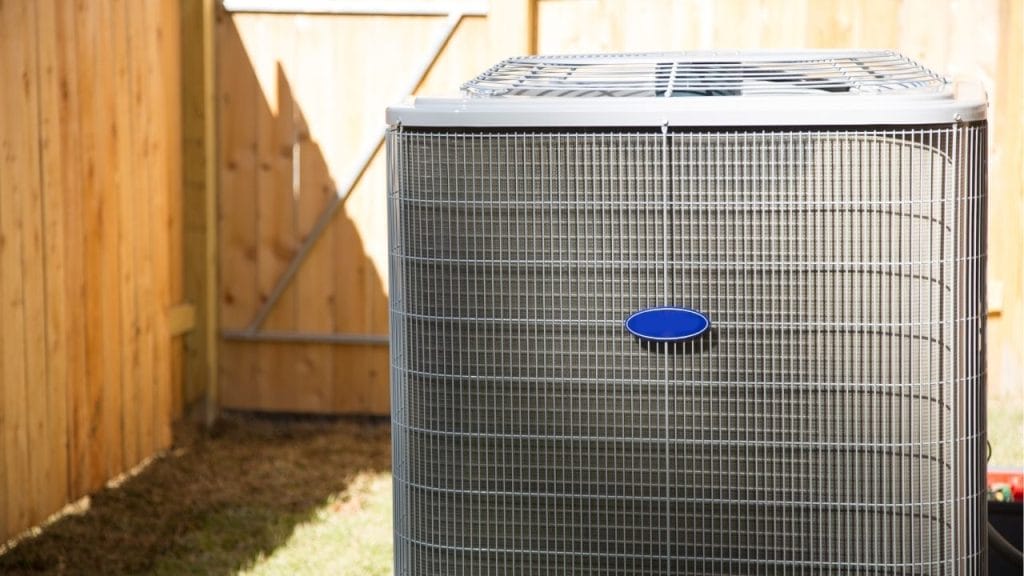
Loud rattling, grinding, clanking, or buzzing noises from the outside AC unit can point to compressor problems. While some sounds may come from fan components, persistent unusual noises often signal internal wear or electrical trouble inside the compressor.
Frequent Circuit Breaker Trips
If your air conditioner keeps tripping the breaker, the compressor may be drawing too much power. This can happen when the motor is overheating, struggling to start, or experiencing an electrical fault. Repeated breaker trips should never be ignored.
Hard Starting or Failure to Start
When you turn on the AC, the outdoor unit should start smoothly. If it hesitates, struggles, or clicks without fully starting, the compressor may be failing. In some cases, the compressor may not start at all even though the indoor fan still runs.
Vibration or Shaking in the Outdoor Unit
Excessive vibration can be another sign that something is wrong inside the compressor. Loose internal parts, worn mounts, or failing components may cause the unit to shake more than usual during operation.
Higher Energy Bills
A bad compressor often works harder than it should, which can increase electricity use. If your cooling costs suddenly rise without a clear reason, your compressor could be losing efficiency.
How to Tell if Air Conditioner Compressor Is Bad or Just the Result of Another Issue
Sometimes compressor-like symptoms are caused by other AC problems such as a dirty condenser coil, low refrigerant, bad capacitor, or thermostat issues. A professional HVAC technician can test refrigerant pressure, electrical connections, and compressor performance to confirm the real cause. Since several parts can mimic a failing compressor, proper diagnosis is important before paying for major repairs.
What to Do if You Suspect Compressor Failure
If you think your air conditioner compressor is bad, turn off the system to prevent further damage. Check the air filter, thermostat settings, and circuit breaker first. If the problem continues, schedule an HVAC inspection as soon as possible. Catching compressor issues early may save you from a full system breakdown.
When to Repair or Replace the Compressor
In some cases, replacing a capacitor or fixing an electrical issue can solve the problem. But if the compressor itself is damaged, burnt out, or very old, replacement may be the better option. An HVAC technician can help you compare repair costs with the age and condition of your air conditioner.
Final Thoughts
Learning how to tell if air conditioner compressor is bad can help you catch cooling problems before they turn into expensive repairs. Warm air, strange noises, frequent breaker trips, and weak cooling are all warning signs worth taking seriously. If your AC shows these symptoms, have it checked by a qualified technician so you can restore comfort and protect your system.